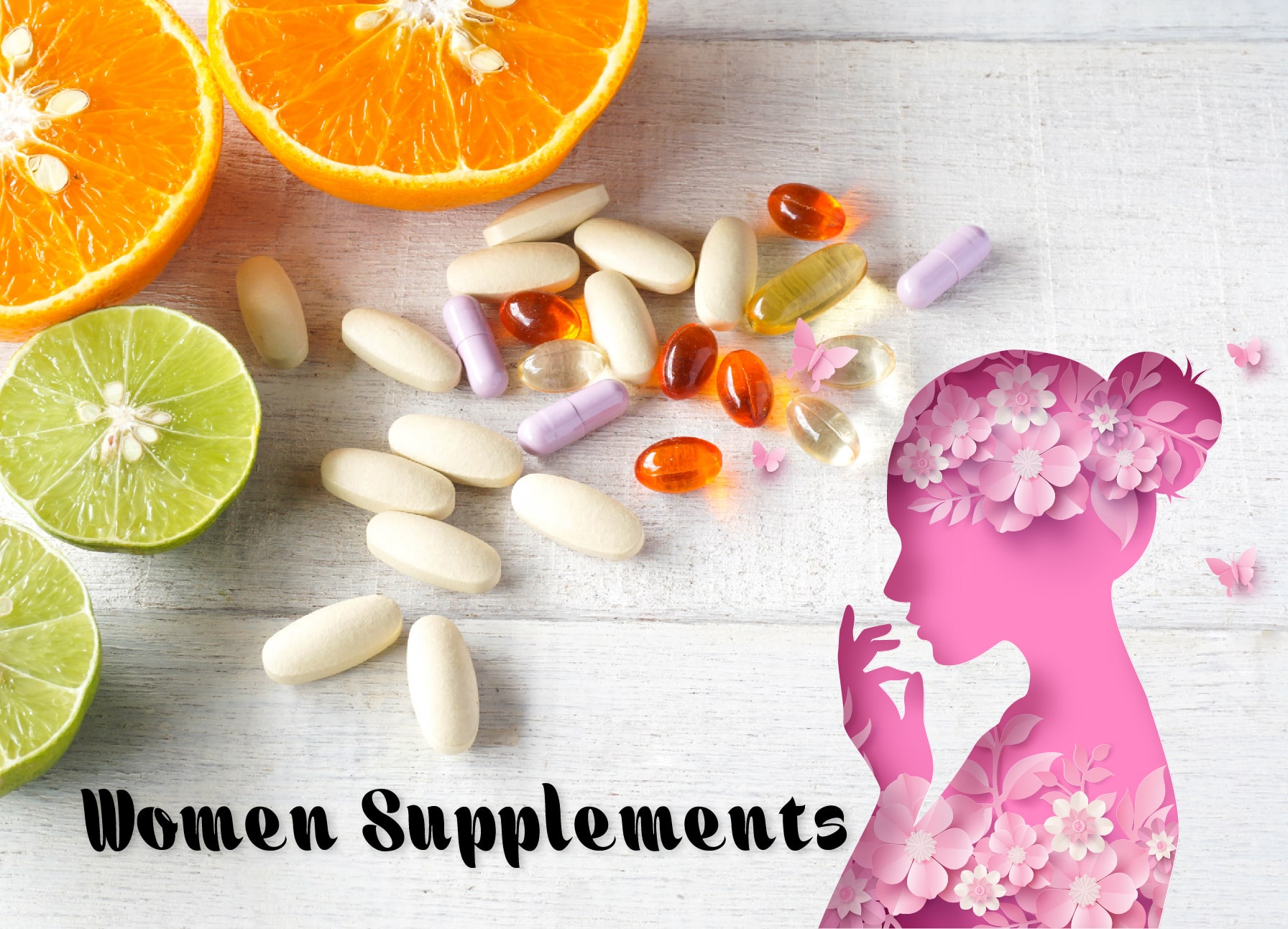


Vitamins and minerals play a vital role in maintaining overall health, especially for women who go through different life stages that require changing nutritional needs. As women age and experience hormonal and physical changes, certain vitamins and minerals become more important to support long-term health and energy. In this article, we highlight the most essential vitamins and minerals women should include in their diet to promote overall well-being at every stage of life.
Best Vitamins for Women
1. Vitamin D
Vitamin D is essential for calcium absorption, which supports healthy bones and teeth. It also plays a role in immune function and mental health. Vitamin D can be obtained through sunlight exposure and fortified foods such as milk and orange juice. In regions with limited sun exposure, supplementation may be necessary.
2. Folic Acid (Vitamin B9)
Folic acid is especially important for pregnant women, as it reduces the risk of neural tube defects in the developing baby. It also supports heart health by lowering homocysteine levels in the blood. Good food sources include leafy green vegetables, legumes, and fruits. Supplementation is recommended before and during pregnancy.
3. Vitamin B12
Vitamin B12 is crucial for red blood cell production and brain function. Deficiency may lead to anemia, fatigue, and memory problems. It is found in meat, fish, eggs, and dairy products. Vegetarian and vegan women may need supplements to meet their needs.
4. Vitamin C
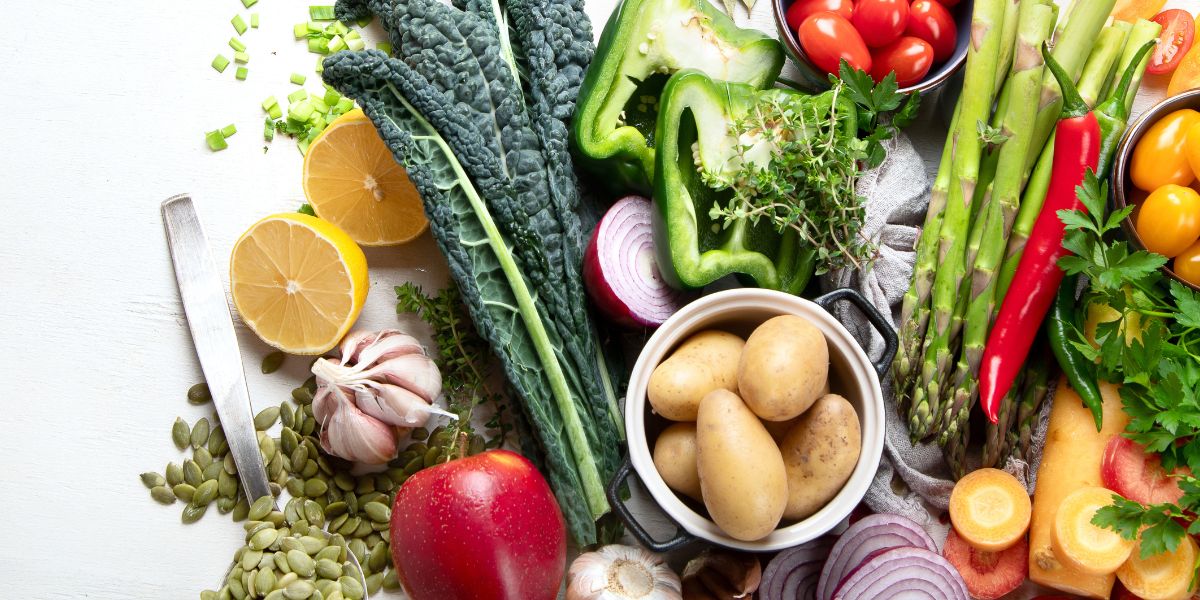
Vitamin C is a powerful antioxidant that strengthens the immune system and supports skin health by promoting collagen production. It also enhances iron absorption from plant-based foods. Rich sources include citrus fruits, strawberries, red peppers, and broccoli.
5. B-Complex Vitamins
B vitamins help convert food into energy, support nervous system function, and improve mood. They are found in whole grains, meat, legumes, and vegetables such as spinach and broccoli.
6. Omega-3 Fatty Acids
Omega-3 fatty acids are important for heart and brain health. They help reduce inflammation and may improve mood by reducing symptoms of depression and anxiety. Sources include fatty fish like salmon, nuts, chia seeds, fish oil supplements, and algae oil for vegetarians.
Essential Minerals for Women’s Health
1. Magnesium
Magnesium supports muscle and nerve function, energy production, and bone health. It may also help reduce stress and improve sleep quality. It is found in nuts, whole grains, leafy greens, and legumes.
2. Zinc
Zinc strengthens the immune system and supports wound healing, skin health, and hair growth. It is found in seafood such as oysters, red meat, nuts, and legumes. Zinc also supports brain function and cognitive performance.
3. Potassium
Potassium helps maintain fluid balance and supports heart and muscle function. Low potassium levels may contribute to high blood pressure and muscle weakness. It is found in bananas, oranges, potatoes, spinach, and legumes.
4. Iron
Iron is essential for transporting oxygen in the blood and maintaining energy levels. Iron deficiency is common among women, especially during menstruation, and may lead to anemia and fatigue. Sources include red meat, leafy greens, legumes, and nuts. Consuming iron-rich plant foods with vitamin C improves absorption.
5. Calcium
Calcium is critical for bone and teeth health and proper muscle function. Women’s calcium needs increase with age, especially after menopause, to help prevent osteoporosis. Sources include dairy products, leafy greens, and nuts. In some cases, supplementation may be recommended after consulting a healthcare provider.
Tips for Taking Vitamins and Minerals Effectively
To maximize benefits:
-
Follow a balanced diet rich in fresh and nutrient-dense foods.
-
Avoid relying solely on supplements.
-
Consult a healthcare professional before starting any supplements.
-
Avoid excessive doses.
-
Get regular blood tests to monitor vitamin and mineral levels.
Vitamins and minerals are an essential part of a healthy, balanced diet and play a key role in supporting women’s health at every life stage. Ensuring adequate intake through nutrient-rich foods or supplements when necessary, under medical supervision, can help maintain energy, strengthen immunity, and improve overall quality of life.
Frequently Asked Questions
What are the most important vitamins and minerals for women?
Key nutrients include vitamin D, folic acid, vitamin B12, vitamin C, iron, calcium, magnesium, zinc, and potassium. Each plays an important role in maintaining overall health and supporting body functions.
Can I get all vitamins and minerals from food alone?
Most vitamins and minerals can be obtained through a balanced and varied diet. However, some women may require supplements, particularly during pregnancy, breastfeeding, or when following a vegetarian diet.
When should I consult a doctor about supplements?
You should consult a healthcare professional before starting supplements, especially if you have medical conditions or take medications. A doctor can assess your individual needs and recommend appropriate dosages.