

Folate, also known as folic acid (Vitamin B9), is an essential nutrient required for healthy cell function and DNA production.
It plays a critical role in preventing neural tube defects during pregnancy and supports heart and brain health in adults. Natural food sources remain the best way to meet daily folate requirements—especially leafy greens, fruits, and legumes.
In this guide, we explore the top folate-rich foods and how to easily include them in your daily diet.
Spinach: The Queen of Leafy Greens
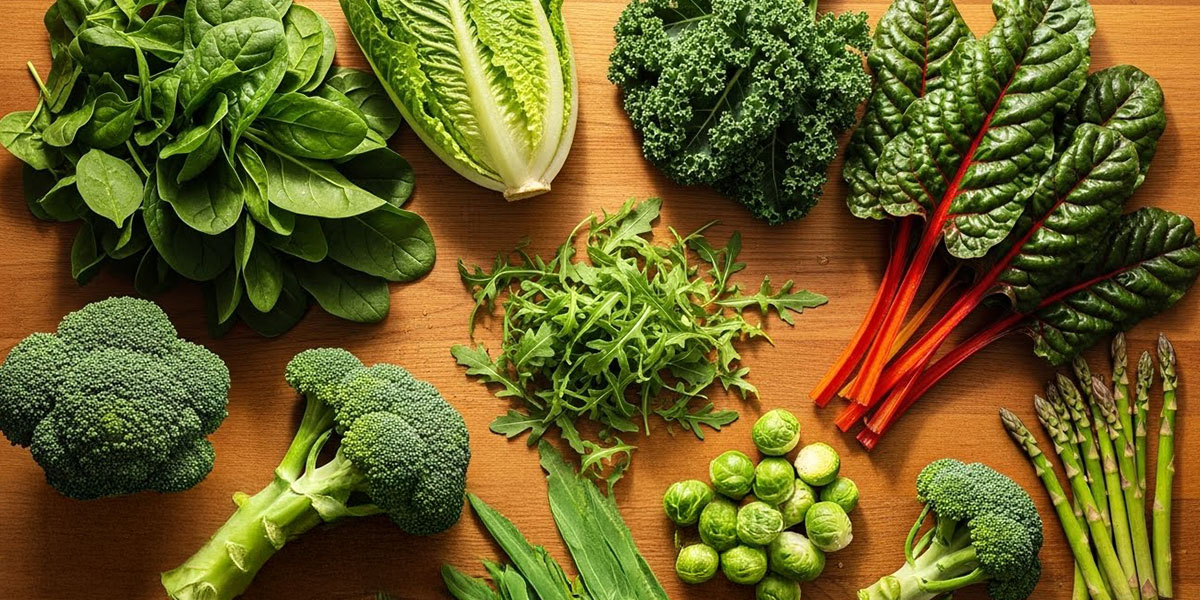
Spinach is one of the richest natural sources of folate.
It can be consumed cooked or raw in salads and smoothies, providing a strong dose of folate along with iron and fiber.
Spinach supports heart health and brain function, making it an excellent choice for maintaining overall wellness.
Dark Leafy Vegetables
In addition to spinach, dark leafy greens such as cabbage, arugula, and kale are rich in folate.
These vegetables help in the production of new blood cells and support nervous system health.
They can be easily added to salads, soups, or smoothies for a nutritious boost.
Legumes: Lentils and Beans
Legumes such as lentils, beans, and peas are excellent sources of folate.
They are also rich in fiber, plant-based protein, and essential vitamins, making them ideal for improving digestion and overall health.
Including legumes regularly in your diet helps ensure adequate folate intake.
Avocado: A Folate-Rich Fruit
Avocado is a delicious and nutrient-dense fruit that provides a good amount of folate.
It can be enjoyed in salads, on toast, or in smoothies. In addition to folate, avocado contains healthy fats that support heart and brain health.
Other Fruits and Vegetables
Many other fruits and vegetables contain folate, including:
- Oranges
- Bananas
- Melons
- Broccoli
- Asparagus
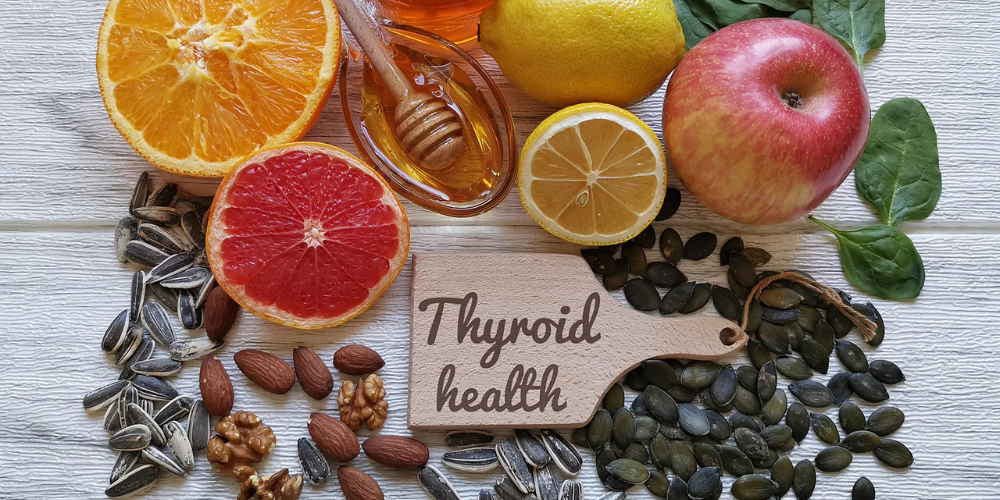
These foods support cell production and nervous system function. Including a variety of them in your diet ensures adequate folate intake simply and enjoyably.