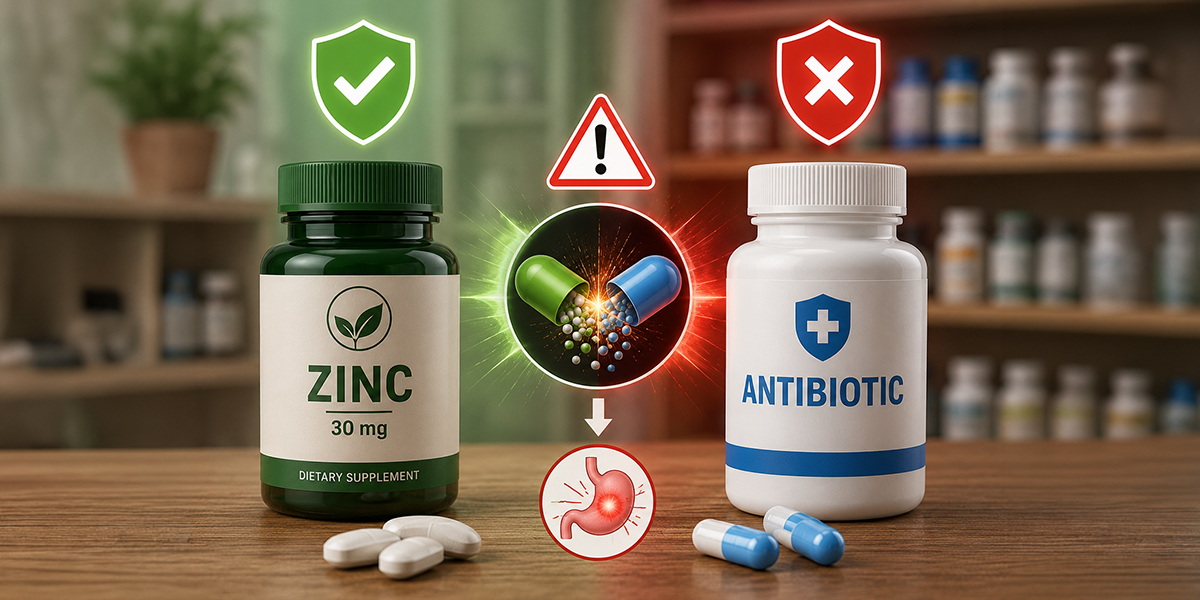


Antibiotics are commonly prescribed to treat bacterial infections, but many people are unaware that certain mineral supplements can interfere with their effectiveness. Minerals such as iron, calcium, magnesium, and zinc may reduce the absorption of specific antibiotics when taken at the same time.
Understanding this interaction can help ensure that both the medication and the supplement are used safely and effectively, without compromising treatment outcomes.
Table of Contents
How Do Minerals Interfere with Antibiotics?
Certain minerals can bind to antibiotics inside the digestive tract and form complexes that are difficult for the body to absorb.
When this happens, less of the antibiotic enters the bloodstream, which may reduce its therapeutic effectiveness and make it harder to achieve the desired treatment outcome.
This interaction is particularly important with specific classes of antibiotics that are known to be sensitive to mineral binding.
Key Minerals Affected
The minerals most commonly involved in these interactions include iron, calcium, magnesium, and zinc.
These minerals are frequently found in multivitamins, individual mineral supplements, sports nutrition products, and fortified foods.
| Mineral | Potential Interaction |
|---|---|
| Iron | May significantly reduce absorption of certain antibiotics |
| Calcium | Can bind with some antibiotics and lower absorption |
| Magnesium | May interfere with antibiotic uptake in the intestine |
| Zinc | Can reduce effectiveness when taken simultaneously |
The likelihood of interaction increases when high-dose supplements or mineral-rich products are taken close to the medication schedule.
Best Way to Take Antibiotics and Mineral Supplements
To minimize interactions, it is generally recommended to separate antibiotic doses from mineral supplements.
A gap of approximately 2 to 4 hours is commonly advised, although the exact timing may vary depending on the antibiotic prescribed and the type of mineral being used.
Always follow the instructions provided by your healthcare professional or the medication label.
Practical Tips
- Review the medication instructions before taking any mineral supplement.
- Consult your doctor or pharmacist if you regularly use iron, calcium, magnesium, or zinc supplements.
- Take mineral supplements with meals that are not close to your antibiotic dose.
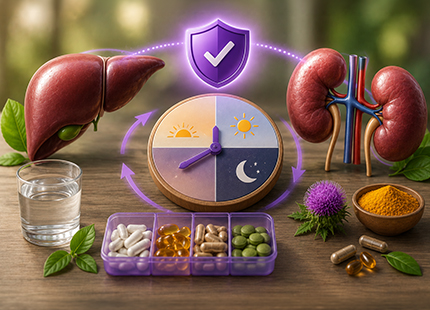
- Maintain adequate hydration by drinking enough water throughout the day.
- Avoid making major changes to your supplement routine during antibiotic treatment without professional guidance.
Frequently Asked Questions
Can calcium reduce the effectiveness of antibiotics?
Yes, calcium may interfere with the absorption of certain antibiotics if taken at the same time.
How long should I wait between antibiotics and mineral supplements?
A separation of 2 to 4 hours is commonly recommended, but you should follow the instructions specific to your medication.
Do multivitamins interact with antibiotics?
They can, especially if they contain minerals such as iron, calcium, magnesium, or zinc.
Should I stop taking my mineral supplements while on antibiotics?
Not necessarily. In many cases, proper timing and separation are sufficient. Consult your healthcare provider for personalized advice.
Why is hydration important during antibiotic therapy?
Proper hydration supports overall health and helps maintain normal body functions during treatment.
Conclusion
Paying attention to the timing of antibiotics and mineral supplements is an important step in maximizing treatment effectiveness and reducing the risk of absorption-related interactions.
Simple scheduling strategies, such as separating doses and following healthcare guidance, can help ensure optimal absorption while supporting both medication effectiveness and overall health.