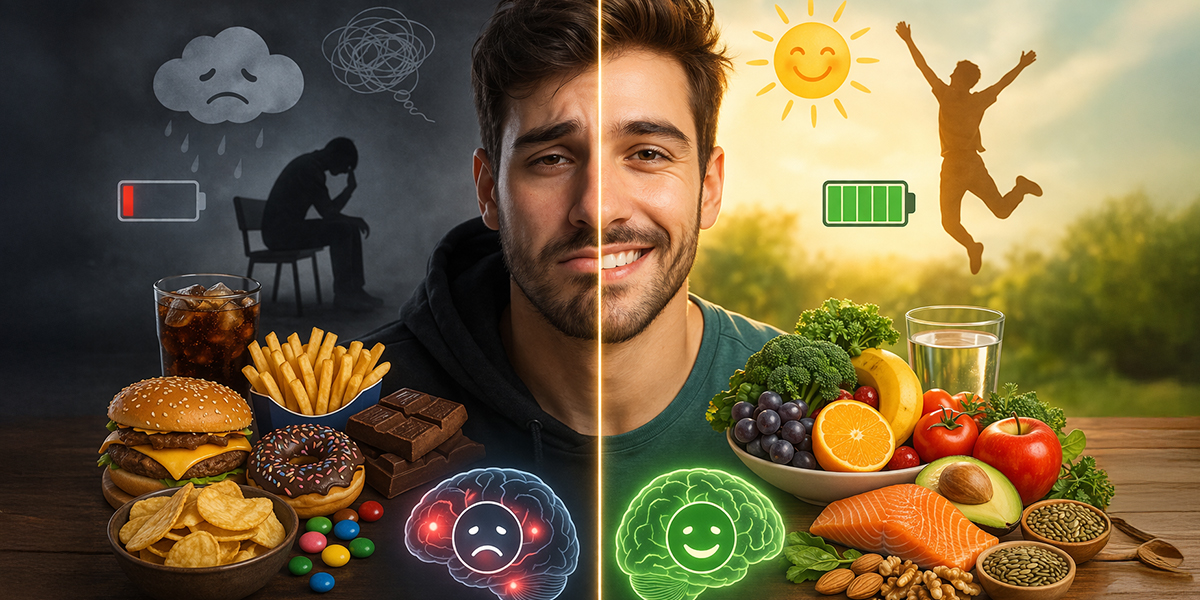


Nutrition is no longer just about physical health and weight management. Today, it plays a central role in understanding mental health and emotional well-being.
Modern research shows that the quality of the food we eat directly affects brain function and the production of key “feel-good” hormones such as serotonin and dopamine.
With increasing daily stress, the body relies more on nutrients that support the nervous system and help maintain emotional balance. This guide explores the connection between diet and mental health, along with practical strategies to improve mood through food and supplements.
The Role of Essential Nutrients in Mood Regulation
Vitamins and minerals play a vital role in supporting brain function and emotional stability.
For example:
- Vitamin B12 and folic acid are essential for producing neurotransmitters linked to energy and happiness
- Magnesium helps reduce stress and regulate nerve signals
Deficiencies in these nutrients may lead to fatigue, anxiety, and mood swings. Including nutrient-rich foods or high-quality supplements from Dr. Nutrition can support better mental balance.
Omega-3 Fatty Acids and Brain Health
Omega-3 fatty acids are among the most important nutrients for brain function.
They:
- Improve communication between brain cells
- Support cognitive function
- Help reduce symptoms of depression and anxiety
Omega-3 is found in fatty fish such as salmon and sardines, as well as in fish oil supplements. Including these healthy fats in your diet can significantly improve mood and overall well-being.
Gut Health and Its Impact on Mood
The gut is often referred to as the “second brain” due to its role in producing serotonin, the hormone responsible for happiness.
Diet directly affects the balance of beneficial gut bacteria, which play a key role in mental health.
Foods that support gut health include:
- Fiber-rich foods
- Probiotics such as yogurt and fermented foods
Probiotic supplements can also provide additional support for both digestive and mental health.
Sugar and Its Negative Impact on Mood
While sugar provides a quick energy boost, its effects are short-lived and often followed by a sharp drop in mood and energy.
Excess sugar intake can:
- Cause blood sugar fluctuations
- Increase anxiety and irritability
- Reduce focus and mental clarity
Replacing refined sugar with healthier options such as fruits, oats, and natural alternatives helps maintain stable energy and mood.
Protein and Emotional Stability
Protein is essential for producing amino acids that are converted into neurotransmitters responsible for relaxation and positivity.
For example:
- Tryptophan helps produce serotonin
Including high-quality protein sources such as eggs, legumes, nuts, or protein supplements supports mental health, especially during periods of stress.
Hydration and Mental Clarity
Hydration plays a critical role in mental performance and mood. Even mild dehydration can lead to:
- Headaches
- Poor concentration
- Mood changes
Drinking enough water and healthy fluids helps support brain function and emotional stability. Electrolyte-rich drinks and targeted supplements can also enhance hydration and cognitive performance.