

Ashwagandha and Stress: Does It Really Help Manage Stress, or Is It Just a Myth?
Introduction
Stress has become an unavoidable part of modern life. From demanding work schedules and financial pressures to family responsibilities and constant digital connectivity, many people feel overwhelmed on a daily basis. As interest in natural wellness solutions continues to grow, one herbal supplement has gained significant attention for its potential role in stress management: Ashwagandha.
Used for centuries in traditional Ayurvedic practices, Ashwagandha has become one of the most popular supplements among individuals seeking support for mental wellbeing, relaxation, and overall balance. But with so much information circulating online, an important question remains:
Does Ashwagandha really help manage stress, or is its reputation largely driven by marketing and hype?
The answer lies somewhere between traditional use and modern scientific research. While Ashwagandha is not a magic solution for life's challenges, a growing number of studies suggest that it may help support the body's natural response to stress when combined with healthy lifestyle habits.
In this comprehensive guide, we'll explore what Ashwagandha is, how it works, what current research says about its relationship with stress, and whether it deserves its place among today's most popular wellness supplements.
Table of Contents
What Is Ashwagandha?
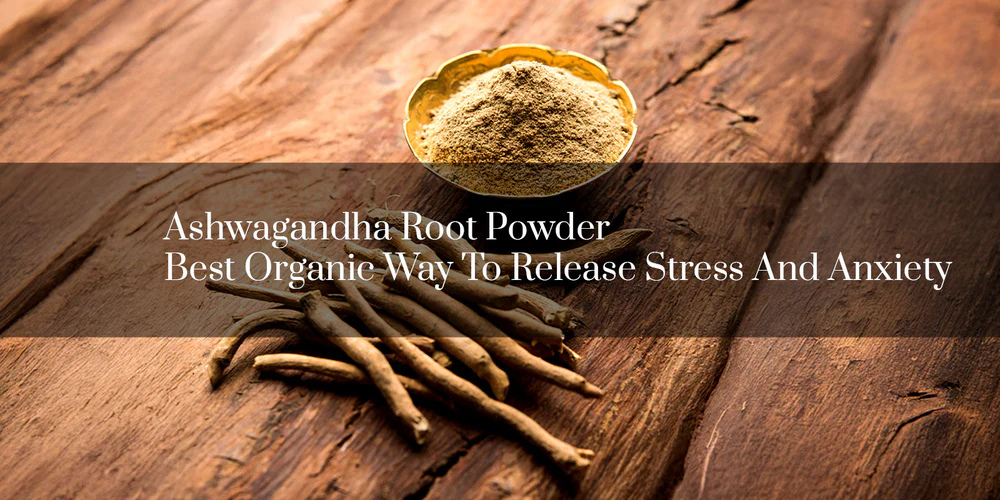
Ashwagandha (Withania somnifera) is a small shrub native to India, the Middle East, and parts of Africa. It is one of the most important herbs used in Ayurveda, a traditional wellness system that has been practiced for thousands of years.
The root of the plant contains naturally occurring compounds called withanolides, which are believed to contribute to many of Ashwagandha's biological properties.
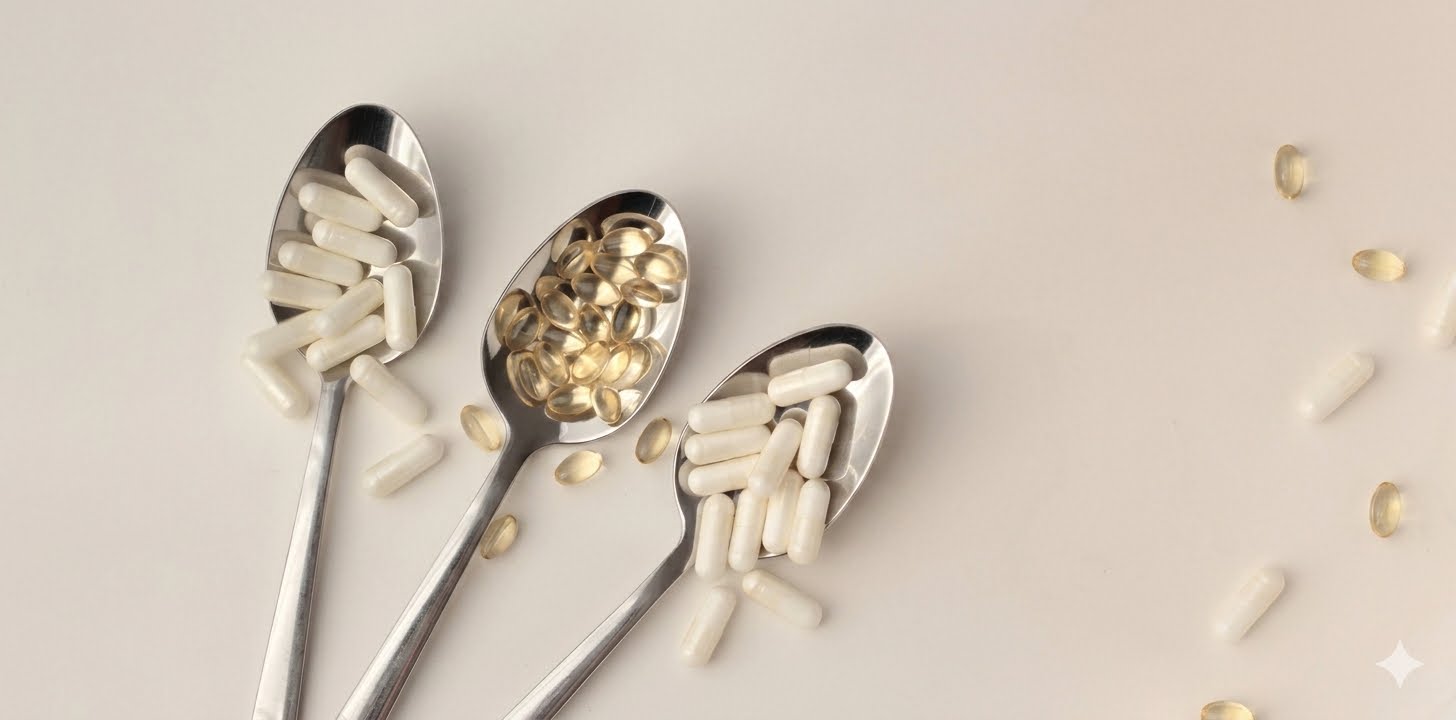
Today, Ashwagandha is commonly available in several forms, including:
- Capsules
- Tablets
- Powders
- Liquid extracts
- Standardized herbal supplements
Its popularity has grown worldwide due to increasing interest in natural approaches to supporting stress management, sleep quality, physical performance, and overall wellbeing.
Why Is Ashwagandha Often Linked to Stress?
To understand why Ashwagandha has gained significant attention in the wellness industry, it is important to first understand how the human body responds to stress at a biological level.
When an individual is exposed to physical, emotional, or psychological pressure, the body activates a complex survival mechanism known as the stress-response system. This system primarily involves the hypothalamic-pituitary-adrenal (HPA) axis, which regulates the release of key stress-related hormones.
One of the most important hormones involved in this process is cortisol, commonly referred to as the “stress hormone.” In short-term situations, cortisol plays a beneficial role by helping the body stay alert, focused, and responsive to challenges.
However, when stress becomes chronic and persistent, cortisol levels may remain elevated for extended periods. Over time, this dysregulation has been associated with a range of unwanted effects, including:
- Persistent fatigue and low energy
- Difficulty concentrating and mental fog
- Increased irritability and mood fluctuations
- Sleep disturbances or poor sleep quality
- Reduced overall sense of wellbeing
This is where Ashwagandha enters the discussion.
Ashwagandha is classified as an adaptogen, a group of plant-based compounds that are believed to help the body maintain balance under conditions of stress. Unlike sedatives or stimulants, adaptogens are thought to work by supporting the body's natural regulatory systems rather than forcing an immediate physiological effect.
In the case of Ashwagandha, researchers have shown interest in its potential interaction with the HPA axis and its possible role in supporting balanced cortisol levels during periods of ongoing stress.
Because of this mechanism, Ashwagandha has become a focal point in both traditional herbal medicine and modern clinical research exploring natural approaches to stress management.
The key scientific question, however, is not whether stress affects the body—but whether Ashwagandha can meaningfully support the body's adaptation to it in a measurable and consistent way.
Recommended Dosage & Absorption Tips
The appropriate dosage of Ashwagandha can vary depending on the extract type and concentration. Most clinical studies evaluating Ashwagandha for stress management have used standardized root extracts in the range of 300–600 mg per day.
General usage tips include:
- Follow the serving instructions provided by the manufacturer.
- Consistency is important for noticeable results.
- Many people prefer taking it with food.
- Some prefer evening use for relaxation.
- Consult a healthcare professional before use if needed.
Tips to support better absorption:
- Choose standardized extracts from reputable brands.
- Take the supplement at the same time daily.
- Combine with healthy sleep and nutrition habits.
- Stay adequately hydrated.
Supplements work best when combined with an overall healthy lifestyle.
Recommended Ashwagandha Products
Explore available Ashwagandha supplements here:
FAQ
How long does Ashwagandha take to work?
Results vary. Some people notice changes within a few weeks, while others require longer consistent use.
Can Ashwagandha cure stress?
No. It is not a cure, but it may support the body's natural stress response.
Is Ashwagandha safe for daily use?
Generally considered safe when used as directed, but professional advice is recommended.
Can Ashwagandha help with sleep?
Some studies suggest it may support sleep quality, especially in stressed individuals.
Who should avoid Ashwagandha?
Pregnant or breastfeeding women and individuals with medical conditions should consult a healthcare provider first.
Conclusion
Ashwagandha is not a myth, but it is also not a miracle cure.
Current research suggests it may help support the body's natural response to stress and promote a sense of calm when used as part of a healthy lifestyle.
The best results come from combining good sleep, nutrition, exercise, and responsible supplementation.