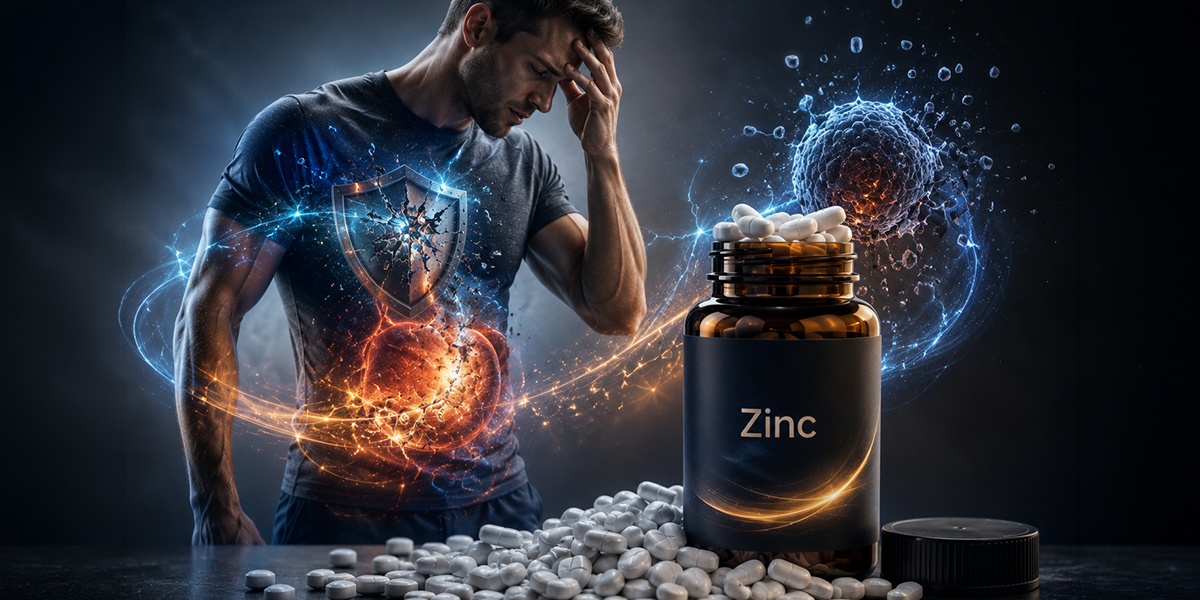


Zinc is an essential mineral that supports immune function, hormonal balance, wound healing, enzyme activity, and normal growth and repair processes in the body.
However, taking zinc in excessive high doses for long periods can lead to unwanted effects. Zinc toxicity is more commonly linked to uncontrolled supplement use than to zinc from normal food intake, making responsible dosing especially important.
Table of Contents
What Is Zinc Toxicity?
Zinc toxicity occurs when zinc intake becomes too high, especially when supplements are taken above safe limits for an extended period.
Although zinc is necessary for health, more is not always better. Excessive zinc can disrupt the balance of other minerals, especially copper, and may negatively affect digestion, immunity, blood health, and nervous system function.
Food sources of zinc are less likely to cause toxicity because they usually provide zinc in moderate amounts. The main concern is repeated use of high-strength zinc supplements, or taking multiple products that all contain zinc without realizing the total daily amount.
Acute Gastrointestinal Symptoms
One of the earliest signs of taking too much zinc is digestive discomfort.
Acute symptoms may appear after a large single dose or after using high-strength zinc supplements without proper guidance. These symptoms can be uncomfortable and may indicate that the dose is too high for the body to tolerate.
- Nausea
- Vomiting
- Abdominal pain
- Diarrhea
- Loss of appetite
- Metallic taste in the mouth
If digestive symptoms occur after zinc supplementation, it is important to review the dose, avoid stacking multiple zinc-containing products, and seek guidance when symptoms are severe or persistent.
Effects of Excess Zinc on Copper and Immunity
One of the most important concerns with chronic high zinc intake is its effect on copper absorption.
Excess zinc can interfere with copper absorption in the intestines, which may eventually contribute to copper deficiency. This is important because copper is needed for red blood cell formation, nervous system function, iron metabolism, and immune balance.
Although zinc is well known for supporting immunity, too much zinc may have the opposite effect over time if it disrupts copper status and normal immune function.
| Excess Zinc Effect | What It May Disrupt | Possible Result |
|---|---|---|
| Reduced Copper Absorption | Copper balance | Possible copper deficiency |
| Mineral Imbalance | Iron and copper metabolism | Fatigue or anemia-like symptoms |
| Immune Disruption | White blood cell function | Higher infection risk in some cases |
Neurological and Hematological Effects
In chronic cases, excessive zinc intake may contribute to neurological and blood-related changes, especially when copper deficiency develops.
Neurological symptoms may include numbness, tingling, weakness, or sensory disturbances. Blood-related effects may include reduced red blood cell production or changes in white blood cell levels.
These effects can lead to persistent fatigue, reduced immunity, weakness, and increased vulnerability to infections.
| System Affected | Possible Symptoms | Why It Matters |
|---|---|---|
| Digestive System | Nausea, vomiting, diarrhea, stomach pain | May occur after high single doses |
| Immune System | Reduced immune balance, frequent infections | May happen with chronic mineral imbalance |
| Blood Health | Fatigue, anemia-like symptoms, low cell counts | May be linked to copper disruption |
| Nervous System | Numbness, tingling, sensory changes | May require medical evaluation |
Safe Dosages and Prevention
For adults, the tolerable upper intake level for zinc is generally considered to be 40 mg per day from all sources, including food and supplements.
This does not mean every person should take 40 mg daily. It means that regularly exceeding this level may increase the risk of adverse effects, especially if done without monitoring.
Many people need much less than this amount for general health support. The best dose depends on diet, deficiency status, health goals, and professional recommendations.
- Check the zinc amount per serving on the label.
- Avoid taking multiple zinc-containing supplements together.
- Do not use high-dose zinc long term without guidance.
- Consider copper balance if zinc is used for extended periods.
- Use supplements to support a balanced diet, not replace it.
- Seek professional advice if deficiency or long-term use is involved.
Who Should Be Extra Careful?
Some people should be especially cautious with zinc supplementation, particularly when using high doses or taking zinc for long periods.
This includes people already taking multivitamins, immune formulas, hair and skin supplements, or mineral complexes, because these products may contain hidden or repeated zinc doses.
People with chronic health conditions, digestive disorders, anemia, neurological symptoms, or those using medications should seek professional advice before using high-dose zinc.
| Group | Why Caution Is Needed | Smart Approach |
|---|---|---|
| People Taking Multiple Supplements | Zinc may be duplicated across formulas | Calculate total daily zinc intake |
| Long-Term High-Dose Users | Higher risk of copper imbalance | Use only with monitoring when needed |
| People with Anemia or Fatigue | Symptoms may relate to mineral imbalance | Check levels before continuing high doses |
| People with Neurological Symptoms | Numbness or tingling may need evaluation | Seek medical advice promptly |
Frequently Asked Questions
Can zinc supplements cause toxicity?
Yes. Zinc toxicity is most commonly linked to excessive supplement intake, especially high doses taken for long periods without proper guidance.
What are the early signs of too much zinc?
Early signs may include nausea, vomiting, abdominal pain, diarrhea, loss of appetite, and a metallic taste in the mouth.
How does excess zinc affect copper?
Too much zinc can interfere with copper absorption in the intestines, which may contribute to copper deficiency over time.
What is the upper safe limit for zinc?
For adults, the tolerable upper intake level is generally 40 mg per day from all sources, unless otherwise advised by a healthcare professional.
Can zinc from food cause toxicity?
Zinc toxicity from normal food intake is uncommon. The main concern is high-dose supplementation or taking several zinc-containing products at the same time.
Conclusion
Zinc is an important mineral with clear benefits for immunity, hormone balance, enzyme activity, skin health, and overall wellness.
However, excessive high-dose intake can lead to toxicity that affects digestion, copper balance, immunity, blood health, and nervous system function. Responsible supplementation, proper dosing, label awareness, and attention to mineral balance are essential to gain zinc’s benefits without unnecessary health risks.