

Introduction
Himalayan pink salt and sea salt have become increasingly popular among health-conscious consumers, especially with the belief that they may be healthier alternatives to regular table salt.
Although all types of salt primarily contain sodium, they differ in processing methods, mineral content, texture, and flavor. As a result, many people wonder whether sea salt or Himalayan salt truly offers meaningful health advantages over traditional table salt.
Table of Contents
What Is Regular Table Salt?
Regular table salt is a refined form of salt that undergoes processing to remove impurities and some naturally occurring minerals.
It is commonly fortified with iodine to help prevent iodine deficiency and support healthy thyroid function. Table salt also typically contains anti-caking agents that improve storage stability and ease of use.
What Is Himalayan Pink Salt?
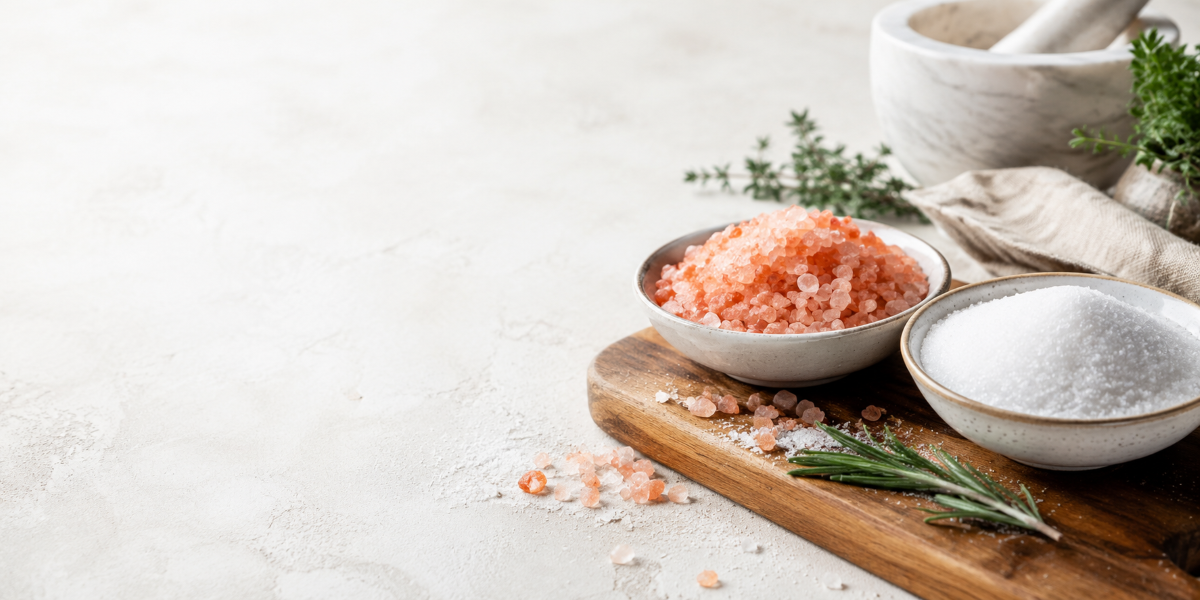
Himalayan pink salt is mined from ancient salt deposits and is known for its distinctive pink color, which comes from trace amounts of minerals such as iron, magnesium, and potassium.
Compared to regular table salt, it generally has a coarser texture and a slightly different flavor profile, making it popular for culinary and decorative uses.
How Is Sea Salt Different?
Sea salt is produced through the evaporation of seawater. Depending on the harvesting and processing methods used, it may retain small amounts of naturally occurring minerals.
Sea salt is available in various textures, grain sizes, and colors, but it remains primarily a source of sodium similar to other salt varieties.
Is Sea Salt or Himalayan Salt Healthier?
Himalayan salt and sea salt contain trace amounts of minerals that are not typically found in refined table salt. However, these minerals are usually present in very small quantities.
For most people, the mineral contribution from these salts is too low to significantly impact overall health when compared to obtaining nutrients from a balanced diet rich in fruits, vegetables, whole grains, and protein sources.
On the other hand, iodized table salt offers an important advantage by helping support adequate iodine intake, particularly in individuals who do not regularly consume iodine-rich foods.
Which Is Better for Daily Use?
The best choice often comes down to personal preference regarding taste, texture, cooking applications, and dietary needs.
More important than the type of salt itself is the total amount consumed. Excessive sodium intake may contribute to high blood pressure, fluid retention, and increased cardiovascular risk in some individuals.
- Use salt in moderation regardless of the type.
- Limit highly processed foods, which are often major sources of sodium.
- Enhance flavor with herbs, spices, lemon juice, and other seasonings.
- Focus on overall dietary quality rather than relying on specialty salts for nutrition.
Frequently Asked Questions
1. Is Himalayan salt healthier than regular table salt?
Himalayan salt contains trace minerals, but the nutritional differences are generally small when consumed in typical amounts.
2. Does sea salt contain less sodium?
Sea salt and table salt contain similar amounts of sodium by weight, although serving sizes may vary depending on crystal size.
3. Why is iodine added to table salt?
Iodine is added to help prevent iodine deficiency and support normal thyroid hormone production.
4. Can switching to Himalayan salt lower blood pressure?
Not necessarily. Blood pressure is more strongly influenced by total sodium intake rather than the specific type of salt used.
5. What is the healthiest way to use salt?
The healthiest approach is moderation, regardless of the salt type, while maintaining a balanced and nutrient-rich diet.
Conclusion
Himalayan pink salt, sea salt, and regular table salt differ in processing methods, mineral traces, texture, and flavor. However, all of them remain sources of sodium and should be consumed in moderation.
While Himalayan and sea salts contain small amounts of additional minerals, these amounts are generally not significant enough to provide major health advantages over a balanced diet.
Ultimately, maintaining a nutritious eating pattern and avoiding excessive sodium intake are far more important for overall health than choosing one type of salt over another.