


Introduction
Many people wonder when starting a fitness or nutrition plan: should they focus on losing weight or building muscle first? The answer depends on personal goals, fitness level, body composition, and lifestyle.
Understanding the difference between fat loss and muscle building helps create a smarter and more sustainable fitness strategy. In many cases, combining both goals gradually may provide the best long-term results for health, performance, and body composition.
Contents
The Difference Between Weight Loss and Muscle Building
Weight loss focuses on reducing body fat to achieve a healthier weight and improve overall health markers.
Muscle building focuses on increasing lean muscle mass, improving strength, supporting metabolism, and enhancing body shape.
Fat loss mainly requires a calorie deficit, while muscle building depends on:
- Resistance training
- Adequate protein intake
- Recovery and sleep
- Progressive overload during workouts
Benefits of Focusing on Weight Loss First
- Reduces excess body fat
- Supports cardiovascular health
- Improves mobility and daily activity
- May reduce joint stress during exercise
- Can improve motivation through visible progress
Individuals with a high body fat percentage may benefit from prioritizing gradual fat loss before entering a muscle-building phase.
Benefits of Focusing on Muscle Building First
- Increases metabolic rate
- Helps burn more calories at rest
- Improves strength and fitness
- Enhances body shape and firmness
- Supports bone and joint health
Building muscle may also improve long-term fat-burning efficiency because muscle tissue requires more energy to maintain.
How to Combine Fat Loss and Muscle Building
For many people, the best strategy is body recomposition: gradually reducing fat while maintaining or building muscle at the same time.
This approach can include:
- Strength training 3–5 times weekly
- Cardio sessions to support calorie expenditure
- High-protein nutrition
- Consistent recovery and sleep
- A sustainable calorie deficit instead of extreme dieting
Nutrition Strategies to Support Your Goals
- Maintain a moderate calorie deficit for gradual fat loss
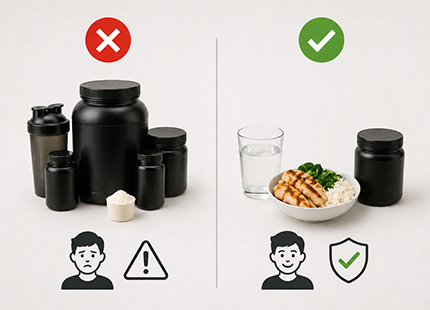
- Prioritize protein intake to support muscle recovery and growth
- Consume healthy carbohydrates for workout performance
- Include healthy fats to support hormones and energy
- Drink enough water daily
- Prioritize quality sleep and recovery
A balanced nutrition strategy is more sustainable and effective than extreme restrictions or short-term crash diets.
FAQ
1. Can I lose fat and build muscle at the same time?
Yes. Beginners, overweight individuals, and people returning to training can often achieve both simultaneously with proper nutrition and resistance training.
2. Should I do cardio or weight training first?
Resistance training is generally more important for preserving and building muscle, while cardio supports additional calorie burning and heart health.
3. How much protein do I need?
Protein needs vary, but many active individuals benefit from approximately 1.6–2.2 grams of protein per kilogram of body weight daily.
4. What is more important: weight on the scale or body composition?
Body composition is often more important. Losing fat while maintaining muscle leads to a healthier and stronger body even if scale changes are slower.
Conclusion
There is no single approach that works for everyone. If you have a higher body fat percentage, focusing on fat loss first may be beneficial. If you are leaner and want to improve strength and physique, muscle building may become the priority.
For most people, the ideal strategy is combining both goals gradually through:
- Balanced nutrition
- Resistance training
- Regular physical activity
- Consistency and patience
Sustainable habits always outperform extreme short-term approaches.