

Fiber Supplements: Complete Guide to Benefits, Types, and Daily Needs
Introduction
Fiber is one of the most essential yet often overlooked nutrients for overall health. It plays a key role in digestion, gut balance, weight management, and even heart health. Despite its importance, most people do not consume enough fiber from daily food alone, which is why fiber supplements have become a practical and effective solution.
Table of Contents
What Is Fiber and Is It Important?
Fiber is a type of carbohydrate that the body cannot digest. Instead of being broken down and absorbed, it passes through the digestive system, helping regulate bowel movements and support gut health.
It is essential because it:
- Supports healthy digestion
- Helps control blood sugar levels
- Promotes satiety and weight control
- Supports heart and gut health
Types of Fiber
Dietary fiber is generally classified into two main types, each playing a unique and essential role in supporting digestive health and overall wellbeing.
Soluble Fiber
Soluble fiber dissolves in water and forms a gel-like substance in the digestive tract. This slows digestion and supports better nutrient absorption and metabolic balance.
Key benefits:
- Helps lower LDL (bad) cholesterol levels
- Supports stable blood sugar levels
- Promotes fullness and weight management
- Acts as a prebiotic for gut bacteria
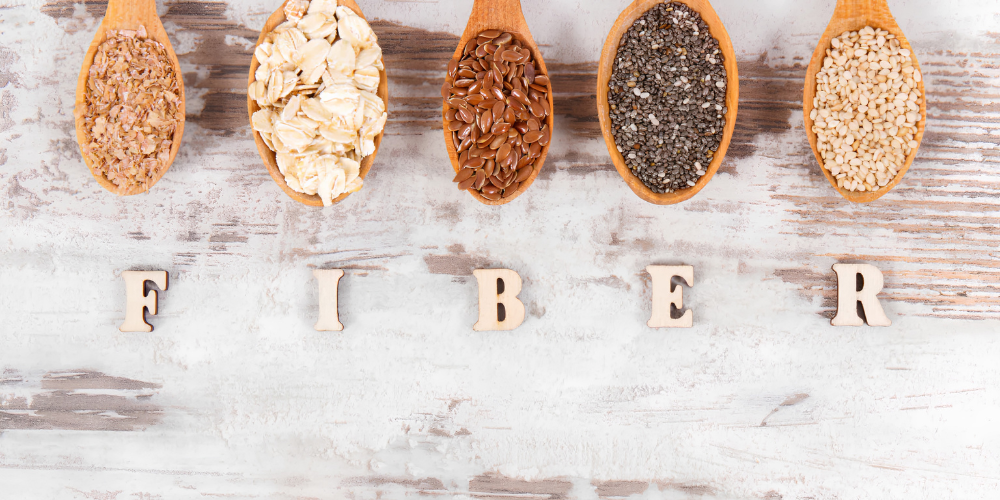
Food sources: Oats, barley, legumes, apples, citrus fruits, carrots, psyllium husk.
Insoluble Fiber
Insoluble fiber does not dissolve in water. It adds bulk to stool and supports the movement of food through the digestive system.
Key benefits:
- Supports regular bowel movements
- Helps prevent constipation
- Promotes efficient waste elimination
- Supports overall gut health
Food sources: Whole grains, wheat bran, nuts, seeds, vegetables such as cauliflower, green beans, and potatoes.
Why Both Types Matter
Soluble and insoluble fiber work together to support a healthy digestive system. Soluble fiber supports metabolism and gut bacteria, while insoluble fiber ensures proper intestinal movement and regularity. A balanced intake of both is essential for long-term digestive health, energy balance, and overall wellbeing.
Benefits of Fiber
A diet rich in fiber or fiber supplementation offers multiple health benefits:
- Improves digestion and prevents constipation
- Supports weight management by increasing fullness
- Helps regulate blood sugar levels
- Reduces cholesterol levels
- Supports healthy gut microbiome
- May reduce risk of chronic diseases
How Much Fiber Do You Need?
Daily recommended intake:
- Women: ~25 grams per day
- Men: ~30–38 grams per day
Most people consume significantly less than this, which is why supplementation can be helpful.
Side Effects of Too Much Fiber
While fiber is beneficial, excessive intake can cause discomfort, especially if increased too quickly.
Possible side effects include:
- Bloating
- Gas
- Abdominal cramps
- Reduced nutrient absorption (in extreme cases)
Tip: Increase fiber gradually and drink plenty of water to avoid digestive discomfort.
Signs of Fiber Deficiency
Fiber deficiency is common due to modern diets high in processed foods and low in fruits, vegetables, and whole grains.
Common signs of low fiber intake:
- Constipation or irregular bowel movements
- Frequent hunger cravings
- Weight gain
- High cholesterol levels
- Poor gut health
Types of Fiber Supplements
Fiber supplements are available in different forms, each designed to support specific digestive and wellness needs. Choosing the right type depends on your goals such as improving digestion, supporting gut bacteria, or managing appetite and weight.
- Psyllium Husk – A highly effective natural fiber that supports healthy digestion, promotes regular bowel movements, and helps maintain healthy cholesterol levels.
- Inulin – A prebiotic fiber that nourishes beneficial gut bacteria and supports a balanced gut microbiome.
- Methylcellulose – A gentle, non-fermentable fiber that supports regularity without causing excessive gas or bloating.
- Wheat Dextrin – A soluble fiber that dissolves easily in liquids and supports smooth digestive function.
- Glucomannan – A natural fiber derived from konjac root that expands in the stomach, helping increase fullness and support appetite control.
Recommended Fiber Products
You can explore a wide range of fiber supplements suitable for different health needs and preferences.
Fiber Supplements Category:
https://drnutrition.com/en-ae/categories/fiber
Search Fiber Products:
https://drnutrition.com/en-ae/search?q=fiber
These options include powders, capsules, and prebiotic blends designed to support digestion, gut health, and daily fiber intake.
FAQ
1. Can I take fiber supplements daily?
Yes, they are safe for daily use when taken within recommended doses and with enough water.
2. When is the best time to take fiber?
It can be taken before meals to support satiety or with meals for digestion.
3. Do fiber supplements help with weight loss?
Yes, fiber increases fullness and reduces overeating, supporting weight management.
4. Can fiber replace vegetables?
No. Supplements support diet but do not replace whole food sources.
Conclusion
Fiber is a fundamental nutrient for digestive health, metabolic balance, and overall wellness. Since many people fall short of daily requirements, fiber supplements offer a simple and effective way to bridge the gap. Choosing the right type and maintaining proper intake can significantly improve long-term health outcomes.