

Healthy-looking skin starts with a consistent skin care routine that supports hydration, balance, and a smooth complexion. However, dead skin cells can naturally build up on the surface of the skin over time, making it appear dull, rough, or uneven. This is where skin exfoliation becomes an important step in maintaining a fresh and radiant appearance.
Exfoliation helps remove accumulated dead skin cells, allowing the skin surface to feel smoother and look brighter. While many exfoliating products contain active ingredients, natural exfoliants have gained popularity among people looking for simple and gentle skin care solutions using easily available ingredients.
Natural ingredients such as sugar, oatmeal, coffee, honey, and yogurt have been traditionally used in skin care routines because of their exfoliating, moisturizing, and skin-supporting properties. However, choosing the right ingredient and using it correctly is essential, as different skin types have different needs.
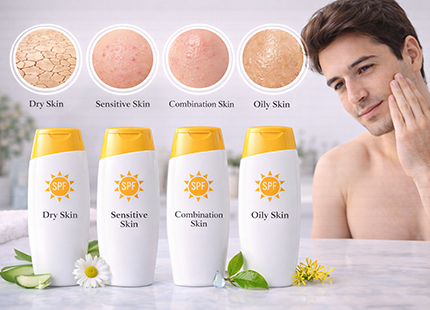
Dry skin may benefit from gentle and hydrating exfoliation, while oily skin may require ingredients that help remove excess buildup. Sensitive skin needs extra care and softer options to avoid unnecessary irritation.
This guide explores five natural ingredients for skin exfoliation, their benefits, how to use each one, and the best options for different skin types. Understanding the right exfoliation approach can help you create a balanced skin care routine that supports smoother, softer, and healthier-looking skin.
Table of Contents
- What Is Skin Exfoliation and Why Is It Important?
- Physical vs Chemical Exfoliation: Understanding the Difference
- 1. Sugar: A Natural Scrub for Smoother Skin
- 2. Oatmeal: Gentle Exfoliation for Sensitive Skin
- 3. Coffee: Refreshing Exfoliation for a Brighter Appearance
- 4. Honey: Hydrating Natural Exfoliation
- 5. Yogurt: Natural Lactic Acid Exfoliation
- How to Choose the Right Natural Exfoliant for Your Skin Type
- Common Skin Exfoliation Mistakes to Avoid
- FAQ
- Conclusion
What Is Skin Exfoliation and Why Is It Important?
Skin exfoliation is the process of removing dead skin cells from the outer layer of the skin. The skin naturally renews itself, but sometimes dead cells can accumulate, causing the complexion to look tired, uneven, or less smooth.
Regular and gentle exfoliation can help improve the appearance of the skin by removing surface buildup and supporting a cleaner, fresher-looking complexion. When done correctly, exfoliation can become an important part of a balanced skin care routine.
Benefits of skin exfoliation may include:
- Smoother-looking skin: Removing dead skin cells can help improve the appearance of rough or uneven skin texture.
- Brighter complexion: Exfoliation may help reveal fresher-looking skin underneath surface buildup.
- Improved skin care absorption: Removing excess dead cells may help skin care products apply more evenly.
- Support for clearer-looking pores: Gentle exfoliation can help remove surface impurities that may contribute to a congested appearance.
- Enhanced skin softness: Regular exfoliation can support a smoother and more comfortable skin feel.
Although exfoliation offers many benefits, it is important to avoid over-exfoliating. Using harsh techniques or exfoliating too frequently may affect the skin barrier and lead to dryness or sensitivity. Choosing the right exfoliant based on your skin type is the key to maintaining healthy-looking skin.
Physical vs Chemical Exfoliation: Understanding the Difference
There are two main types of skin exfoliation: physical exfoliation and chemical exfoliation. Both approaches aim to remove dead skin cells, but they work in different ways.
Physical Exfoliation
Physical exfoliation uses small particles or natural ingredients to manually remove dead skin cells from the skin surface through gentle rubbing or massage.
Common natural physical exfoliants include:
- Sugar
- Oatmeal
- Coffee grounds
- Natural powders or gentle scrubbing ingredients
Physical exfoliation can help improve skin smoothness, but it should always be performed gently. Excessive rubbing or using rough particles may cause discomfort, especially for sensitive skin.
Chemical Exfoliation
Chemical exfoliation uses specific active ingredients that help loosen and remove dead skin cells without physical scrubbing. These ingredients work by supporting the skin renewal process.
Common chemical exfoliating ingredients include:
- Lactic acid: A gentle exfoliating ingredient often used in products designed for smoother-looking skin.
- Glycolic acid: An ingredient commonly used to improve the appearance of skin texture.
- Salicylic acid: Often included in products designed for oily or blemish-prone skin.
Both natural and chemical exfoliation can be useful depending on individual skin needs. Natural exfoliants are often preferred by people looking for simple ingredients, while chemical exfoliants may be chosen for targeted skin concerns.
The most important factor is selecting an exfoliation method that matches your skin type and using it as part of a gentle, consistent skin care routine.
1. Sugar: A Natural Scrub for Smoother Skin
Sugar is one of the most commonly used natural exfoliating ingredients. Its small granules help remove dead skin cells from the surface of the skin, making it a popular choice for homemade scrubs and body care routines.
When used gently, sugar exfoliation can help improve the appearance of rough skin and support a softer, smoother-looking complexion. It is often combined with moisturizing ingredients such as honey or natural oils to provide additional hydration and comfort.
Benefits of sugar exfoliation include:
- Helping remove surface dead skin cells
- Supporting smoother-looking skin texture
- Improving the appearance of dull skin
- Helping create a softer skin feel
- Providing a simple natural exfoliation option
How to Use Sugar as a Skin Exfoliant:
- Mix a small amount of sugar with a moisturizing ingredient such as honey or a natural oil.
- Apply the mixture to damp skin.
- Massage gently using circular motions without applying excessive pressure.
- Rinse with lukewarm water and apply a moisturizer afterward.
Best Skin Types for Sugar Exfoliation:
- Normal skin: Can benefit from occasional gentle exfoliation to maintain smoothness.
- Dry skin: Works better when combined with hydrating ingredients.
- Body skin: Often preferred for areas with rough texture such as elbows and knees.
People with very sensitive or easily irritated skin should be cautious, as physical scrubbing may feel too harsh for some skin types.
2. Oatmeal: Gentle Exfoliation for Sensitive Skin
Oatmeal is considered one of the gentlest natural exfoliating ingredients, making it a popular choice for sensitive and dry skin. Its fine texture helps remove dead skin cells while providing a soothing and comfortable feel.
Unlike rough exfoliating particles, finely ground oatmeal provides a milder approach that can help support the skin barrier and maintain skin comfort.
Benefits of oatmeal exfoliation include:
- Providing gentle removal of dead skin cells
- Supporting smoother-looking skin
- Helping maintain skin comfort
- Supporting dry and sensitive skin routines
- Providing a soothing skin care experience
How to Use Oatmeal as a Skin Exfoliant:
- Grind oatmeal into a fine powder.
- Mix it with ingredients such as honey, yogurt, or water to create a gentle paste.
- Apply to the skin and leave it for 10–15 minutes.
- Massage lightly before rinsing with lukewarm water.
Best Skin Types for Oatmeal Exfoliation:
- Sensitive skin: A gentle option that may help maintain skin comfort.
- Dry skin: Works well when combined with moisturizing ingredients.
- Combination skin: Can provide gentle exfoliation without feeling too harsh.
3. Coffee: Refreshing Exfoliation for a Brighter Appearance
Coffee is another popular natural exfoliating ingredient, especially in body care products. Coffee grounds provide physical exfoliation that helps remove surface buildup and improve the appearance of rough skin.
Coffee-based scrubs are commonly used because of their refreshing texture and ability to leave the skin feeling smoother. However, coffee particles should be used gently to avoid unnecessary friction.
Benefits of coffee exfoliation include:
- Helping remove dead skin cells
- Supporting smoother-looking skin texture
- Improving the appearance of dull skin
- Providing an invigorating skin care experience
- Supporting body exfoliation routines
How to Use Coffee as a Skin Exfoliant:
- Mix coffee grounds with a moisturizing ingredient such as coconut oil or a gentle body lotion.
- Apply the mixture to damp skin.
- Massage gently in circular motions.
- Rinse thoroughly and moisturize the skin.
Best Skin Types for Coffee Exfoliation:
- Normal skin: Suitable for occasional exfoliation.
- Body skin: Commonly used for rough areas of the body.
- Dull-looking skin: May help improve the appearance of skin texture.
Coffee scrubs may not be suitable for very sensitive skin, especially if the particles feel rough or uncomfortable.
4. Honey: Hydrating Natural Exfoliation
Honey is a natural ingredient widely used in skin care because of its moisturizing and skin-supporting properties. While honey itself is not a strong physical exfoliant, it can be combined with other gentle ingredients to create a hydrating exfoliating treatment.
Honey helps create a more balanced exfoliation experience by supporting skin softness and hydration.
Benefits of honey in exfoliating routines include:
- Helping maintain skin moisture
- Supporting softer-looking skin
- Providing a nourishing skin care experience
- Complementing gentle exfoliating ingredients
- Supporting dry and dehydrated skin routines
How to Use Honey for Skin Exfoliation:
- Apply a thin layer of honey directly to clean skin.
- For extra exfoliation, mix it with finely ground oatmeal.
- Leave it on the skin for around 10 minutes.
- Rinse gently and apply moisturizer.
Best Skin Types for Honey Exfoliation:
- Dry skin: Helps support hydration during exfoliation.
- Sensitive skin: A gentle option when combined with suitable ingredients.
- Normal skin: Can be used as part of a moisturizing routine.
5. Yogurt: Natural Lactic Acid Exfoliation
Yogurt is a popular natural skin care ingredient because it contains lactic acid, a type of alpha hydroxy acid (AHA) that can help gently exfoliate the skin. Unlike rough scrubs, yogurt provides a softer exfoliating approach.
The moisturizing properties of yogurt also make it a suitable option for people who want exfoliation with added skin comfort.
Benefits of yogurt exfoliation include:
- Helping remove dead skin cells gently
- Supporting smoother-looking skin
- Improving the appearance of dull skin
- Providing hydration and softness
- Supporting a more balanced-looking complexion
How to Use Yogurt as a Skin Exfoliant:
- Apply plain yogurt to clean skin as a mask.
- Leave it on for 10–15 minutes.
- Rinse gently with lukewarm water.
- Follow with a moisturizer.
Best Skin Types for Yogurt Exfoliation:
- Normal skin: Helps maintain a smoother appearance.
- Dry skin: Provides gentle exfoliation with hydration.
- Uneven-looking skin: May help improve overall skin appearance.
Choosing the Right Natural Exfoliant Based on Your Skin Type
Using the right exfoliating ingredient for your skin type is important to achieve the best results while minimizing the risk of irritation. Not every natural exfoliant is suitable for every person, and skin sensitivity should always be considered.
For Sensitive Skin
Sensitive skin usually benefits from gentle exfoliating ingredients that support comfort without excessive friction.
Recommended options:
- Oatmeal
- Honey
- Yogurt
Avoid aggressive scrubbing and focus on gentle movements with limited exfoliation frequency.
For Dry Skin
Dry skin needs exfoliation combined with hydration to help maintain softness and prevent discomfort.
Recommended options:
- Oatmeal mixed with moisturizing ingredients
- Honey-based exfoliating masks
- Yogurt formulas containing lactic acid
For Oily Skin
Oily skin may benefit from exfoliation that helps remove surface buildup and supports a cleaner-looking complexion.
Recommended options:
- Coffee grounds used gently
- Yogurt-based exfoliation
- Light sugar exfoliation used occasionally
For Combination Skin
Combination skin often requires a balanced approach because different areas of the face may have different needs.
Recommended options:
- Oatmeal for gentle overall exfoliation
- Coffee for areas with uneven texture
- Honey or yogurt for hydration support
Tips for Safe Natural Skin Exfoliation
Natural exfoliation can support smoother-looking skin when performed correctly. Following proper techniques helps maintain skin comfort and avoid unnecessary irritation.
- Do not over-exfoliate: Exfoliating too frequently may weaken the skin barrier and increase dryness or sensitivity.
- Use gentle movements: Avoid harsh rubbing, especially around delicate areas such as the eye area.
- Moisturize after exfoliation: Applying a suitable moisturizer helps support hydration and skin comfort.
- Use sunscreen: Exfoliated skin may require extra protection from sun exposure, so daily sunscreen is an important skincare step.
- Test new ingredients first: Apply a small amount to a limited skin area before using a new ingredient regularly.
Common Mistakes to Avoid When Exfoliating Your Skin
Although exfoliation can help improve the appearance of skin texture and brightness, using the wrong technique or exfoliating too often may cause dryness, sensitivity, or discomfort. Understanding common mistakes can help you create a safer and more effective skincare routine.
- Exfoliating too frequently: Using exfoliating products or natural scrubs too often may disturb the skin barrier and lead to dryness or irritation. Most skin types benefit from moderate exfoliation rather than daily scrubbing.
- Using too much pressure: Aggressive rubbing does not provide better results and may cause unnecessary friction. Gentle movements are usually enough to remove surface buildup.
- Ignoring your skin type: An exfoliant that works well for one person may not be suitable for another. Sensitive skin usually requires gentler options, while oily skin may tolerate slightly stronger exfoliation.
- Skipping moisturizer after exfoliation: After removing dead skin cells, applying a suitable moisturizer helps support hydration and maintain skin comfort.
- Exfoliating irritated or damaged skin: Avoid exfoliating when the skin has active irritation, excessive dryness, or visible sensitivity until the skin barrier feels more balanced.
FAQ
1. How often should I exfoliate my skin?
The ideal exfoliation frequency depends on your skin type and the exfoliating ingredient used. Most people benefit from exfoliating once or twice per week, while sensitive skin may require less frequent exfoliation.
2. Are natural exfoliants suitable for sensitive skin?
Yes. Some natural ingredients, such as oatmeal and honey, can provide gentle exfoliation and hydration support. However, sensitive skin should always be treated carefully, and new ingredients should be tested before regular use.
3. Can exfoliation help with dull-looking skin?
Yes. Exfoliation helps remove dead skin cells from the surface, which may improve the appearance of skin brightness, smoothness, and texture.
4. Should I moisturize after exfoliating?
Yes. Applying moisturizer after exfoliation helps maintain hydration and supports the skin barrier, especially for dry or sensitive skin types.
5. Can I exfoliate if I have acne-prone skin?
Some people with acne-prone skin may benefit from gentle exfoliation, but harsh scrubbing can increase irritation. Choosing suitable ingredients and avoiding over-exfoliation is important.
6. Are natural exfoliants better than chemical exfoliants?
Both natural and chemical exfoliants can be useful depending on skin type and skincare goals. Natural exfoliants provide physical or enzyme-based exfoliation, while chemical exfoliants work through ingredients such as acids. The best choice depends on individual skin needs.
Conclusion
Natural skin exfoliation can be a simple and effective way to support smoother-looking, brighter, and healthier-looking skin. Ingredients such as oatmeal, sugar, coffee grounds, honey, and yogurt can provide different exfoliating benefits while supporting various skin types when used correctly.
Choosing the right exfoliating ingredient depends on understanding your skin type, sensitivity level, and skincare goals. Gentle exfoliation, combined with proper hydration and daily sun protection, can help maintain a balanced and comfortable skincare routine.
While natural ingredients can support skin appearance, consistency and proper skincare habits remain essential. Avoiding over-exfoliation, choosing suitable products, and listening to your skin’s needs can help you achieve a smoother and more refreshed complexion.
With the right approach, natural exfoliation can become a valuable step in your skincare routine, helping support healthier-looking skin while maintaining comfort and balance.