


Zinc is an essential mineral that plays a critical role in hundreds of biological processes in the body, from supporting immune function and cell regeneration to promoting healthy hair and skin.
Although the body requires only small amounts, zinc deficiency has become a common issue that can significantly affect overall health—often without noticeable early signs.
What Is Zinc and Why Does the Body Need It?
Zinc is a vital mineral involved in numerous enzymatic functions. It supports protein synthesis, strengthens the immune system, promotes wound healing, and helps regulate hormones.
It is also essential for children’s growth and for maintaining the senses of taste and smell. Due to its fundamental role in cellular function, zinc deficiency can impact multiple systems in the body.
Causes of Zinc Deficiency
Zinc levels may decline due to poor nutrition or diets lacking zinc-rich foods such as meat and seafood. Certain health conditions, including digestive disorders and liver or kidney diseases, can also reduce zinc absorption.
Athletes and individuals with high physical activity levels may require higher zinc intake to compensate for losses through sweating and continuous exertion.
Symptoms of Zinc Deficiency
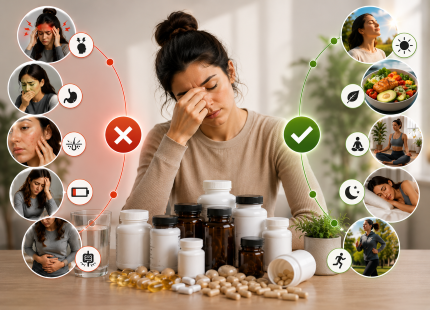
Zinc deficiency symptoms may be subtle at first but can become more significant over time. Common signs include:
- Weakened immune system and frequent infections
- Hair loss and slow nail growth
- Poor wound healing and dry skin
- Loss of appetite or impaired taste and smell
- Fatigue and reduced mental focus
Who Is at Risk of Zinc Deficiency?
Certain groups are more prone to zinc deficiency, including:
- Vegetarians, as plant-based zinc sources have lower absorption rates
- Pregnant and breastfeeding women, due to increased nutritional demands
- Children and adolescents during rapid growth phases
- Older adults with reduced nutrient absorption
Raising awareness and ensuring adequate intake through diet or supplementation is essential for these groups.
Natural Sources of Zinc
Zinc can be easily obtained through a balanced diet. Key sources include:
- Seafood
- Red meat and poultry
- Legumes
- Nuts and seeds
- Dairy products
- Whole grains
Zinc from animal sources is generally better absorbed than from plant-based foods.
Zinc for Immunity, Skin, and Hair Health
Zinc plays a major role in immune cell production and inflammation control. Research shows it can help reduce the duration and severity of colds and strengthen the body’s defense against infections.
It also directly supports skin and hair health by promoting collagen production and regulating oil secretion, which helps reduce acne and maintain healthy skin. Additionally, zinc strengthens hair follicles and reduces hair loss.
Maintaining adequate zinc levels is essential for strong immunity and a healthy appearance.
Zinc Supplements
When dietary intake is insufficient, zinc supplements can help restore optimal levels and support immunity, energy, and skin health.
It is important to choose the right dosage under professional guidance to avoid side effects. High-quality supplements from trusted providers like Dr. Nutrition ensure better absorption and effectiveness.