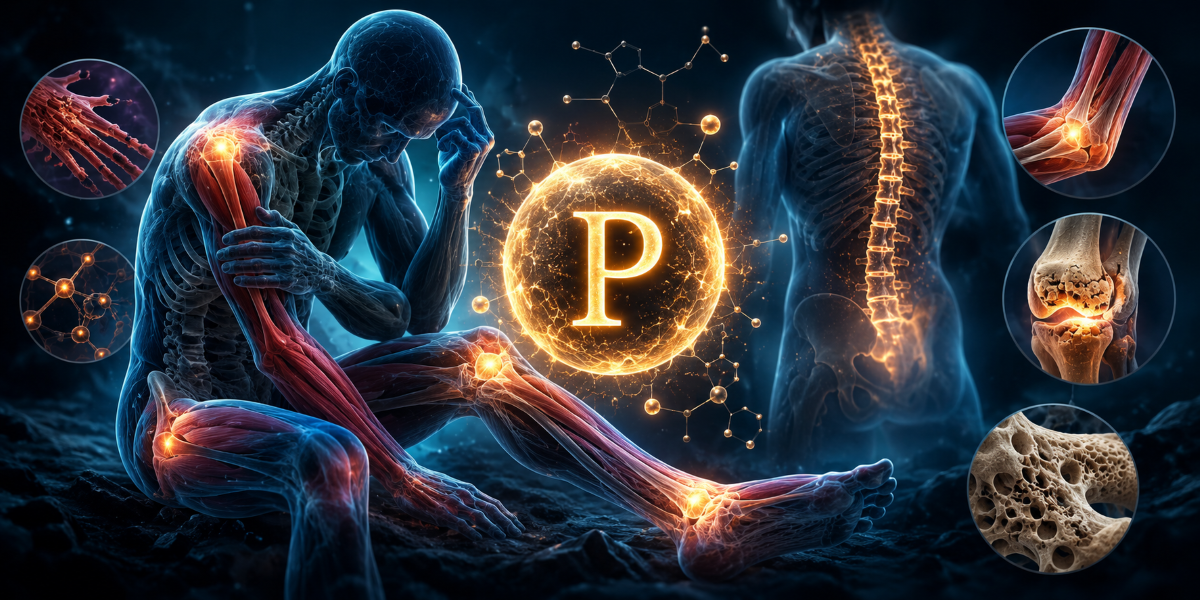


Phosphorus is an essential mineral involved in the formation of bones and teeth, as well as energy production within cells.
Although phosphorus deficiency is uncommon in healthy individuals, low phosphorus levels can lead to noticeable symptoms affecting muscles, bones, the nervous system, and vital body functions. Recognizing these signs early may help prevent more serious complications.
Table of Contents
Why Phosphorus Is Important
Phosphorus works closely with calcium to support the structure and strength of bones and teeth.
It is also a key part of ATP, the molecule used by cells to produce and store energy. Because of this role, low phosphorus levels may affect muscle performance, energy metabolism, nerve function, and overall physical strength.
Phosphorus is naturally found in many foods, including dairy products, meats, fish, eggs, legumes, nuts, seeds, and whole grains.
Muscle Weakness and Fatigue
One of the most common symptoms of phosphorus deficiency is muscle weakness and reduced endurance.
Because phosphorus is involved in ATP production, low levels may make cellular energy generation less efficient.
This can lead to rapid fatigue, poor exercise tolerance, general weakness, and difficulty performing normal physical activities.
- Reduced muscle strength.
- Faster fatigue during activity.
- Low physical endurance.
- General weakness or heaviness in the body.
- Difficulty recovering after exertion.
Bone Pain and Fragility
Phosphorus works alongside calcium to build and maintain the rigid structure of bones.
When phosphorus levels are low, bone mineralization may be affected, which can contribute to bone pain, skeletal weakness, and an increased risk of fractures.
In severe or prolonged cases, phosphorus deficiency may contribute to reduced bone density or conditions resembling rickets in children and osteomalacia in adults.
| Affected Area | Possible Symptoms | Why It Happens |
|---|---|---|
| Muscles | Weakness, fatigue, reduced endurance | Lower ATP production and reduced cellular energy |
| Bones | Bone pain, fragility, fracture risk | Impaired bone mineral structure |
| Nervous System | Irritability, anxiety, poor concentration | Reduced energy availability in nerve cells |
| Heart and Breathing Muscles | Shortness of breath or reduced cardiac efficiency in severe cases | Weakness of vital muscles involved in circulation and breathing |
Effects on Appetite and Body Weight
Low phosphorus levels may affect appetite and overall nutritional status.
Some individuals may experience loss of appetite, unintended weight changes, or reduced food intake, which can further worsen nutritional deficiencies.
Phosphorus deficiency may also affect the nervous system, contributing to irritability, anxiety, low mood, or difficulty concentrating due to reduced cellular energy production in nerve cells.
Respiratory and Cardiac Complications
In advanced or severe cases, phosphorus deficiency can affect muscles involved in breathing.
This may lead to shortness of breath, reduced breathing efficiency, or difficulty maintaining normal respiratory function.
Low phosphorus may also weaken the heart muscle, potentially reducing cardiac efficiency or contributing to more serious complications in vulnerable individuals.
Groups at Higher Risk
Phosphorus deficiency is more likely to occur in people with conditions that affect nutrition, absorption, or mineral balance.
Individuals with malnutrition, digestive absorption disorders, chronic alcohol use, uncontrolled diabetes, certain chronic illnesses, or prolonged use of specific medications may be at higher risk.
It may also occur in hospitalized patients or during refeeding after prolonged undernutrition, where mineral shifts can happen quickly.
- People with malnutrition or very low food intake.
- Individuals with absorption disorders.
- People with chronic alcohol use.
- Patients with certain kidney, endocrine, or metabolic conditions.
- People taking medications that affect mineral balance.
- Individuals recovering from prolonged undernutrition.
Frequently Asked Questions
What are the main symptoms of phosphorus deficiency?
The main symptoms may include muscle weakness, fatigue, bone pain, reduced endurance, appetite changes, irritability, and difficulty concentrating.
Can low phosphorus cause bone pain?
Yes. Phosphorus is important for bone mineral structure, and low levels may contribute to bone pain, skeletal weakness, and increased fracture risk.
Why does phosphorus deficiency cause fatigue?
Phosphorus is a key part of ATP, the body’s cellular energy molecule. Low phosphorus may reduce energy production and lead to fatigue or weakness.
Who is at higher risk of phosphorus deficiency?
People with malnutrition, absorption disorders, chronic alcohol use, certain chronic illnesses, or medication-related mineral imbalance may be at higher risk.
What foods provide phosphorus?
Natural phosphorus sources include dairy products, meats, fish, eggs, legumes, nuts, seeds, and whole grains.
Conclusion
Phosphorus deficiency can lead to muscle weakness and bone pain, along with disruptions in energy production, appetite, nervous system function, and vital bodily processes.
Maintaining a balanced diet that includes natural phosphorus sources such as dairy products, meats, legumes, nuts, seeds, and whole grains can help support long-term bone, muscle, and metabolic health.