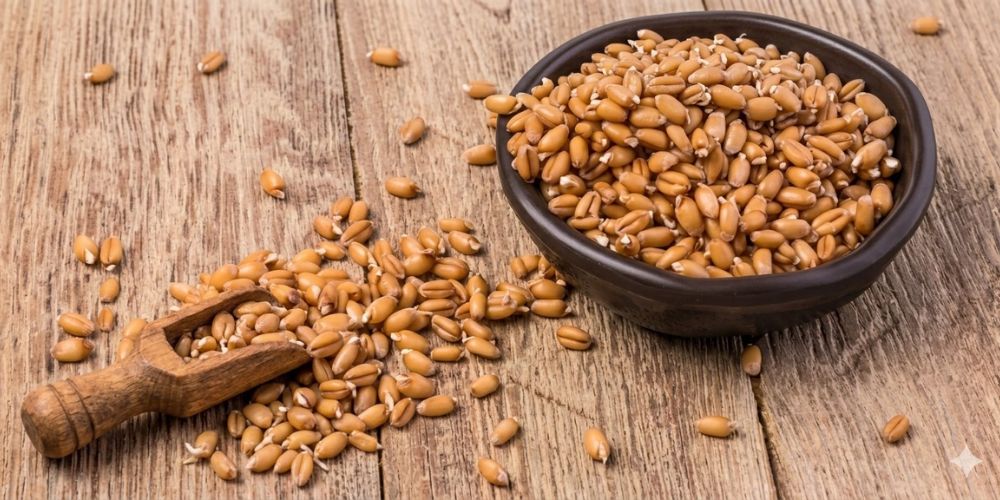


Spermidine is a naturally occurring compound found in the body and in a variety of foods. In recent years, it has attracted growing interest in the fields of healthy aging, longevity, cellular health, and cardiovascular wellness. Researchers are particularly interested in spermidine because of its relationship with autophagy, a natural cellular process involved in removing and recycling damaged or unnecessary cellular components.
Although spermidine is sometimes described as an “anti-aging” compound, research is still developing, and it should not be considered a proven way to extend human lifespan. Instead, current evidence suggests that spermidine may support several biological processes associated with healthy aging, making it an interesting nutrient-like compound for people focused on long-term wellness and heart health.
Table of Contents
- What Is Spermidine?
- How Does Spermidine Work in the Body?
- 1. May Support Healthy Aging and Longevity
- 2. May Support Heart Health
- 3. Supports Cellular Renewal Through Autophagy
- 4. May Support Brain and Cognitive Health
- 5. Supports Overall Cellular Health
- How to Get Spermidine From Food
- How to Take Spermidine Supplements
- Are Spermidine Supplements Safe?
- Recommended Longevity & Heart Health Supplements
- FAQ
- Conclusion
What Is Spermidine?
Spermidine is a type of polyamine, a group of naturally occurring compounds involved in important cellular functions. The body produces spermidine naturally, while dietary sources include foods such as whole grains, legumes, mushrooms, soy products, and certain vegetables.
Spermidine levels and metabolism can change with age, which has contributed to scientific interest in its potential role in healthy aging. Rather than functioning like a conventional vitamin or mineral, spermidine participates in cellular processes that help maintain normal cell function and internal balance.
How Does Spermidine Work in the Body?
One of the most studied mechanisms associated with spermidine is autophagy. Autophagy is the body's natural cellular recycling system, helping cells break down and remove damaged or unnecessary components so their building blocks can be reused.
By supporting pathways involved in autophagy and cellular maintenance, spermidine is being investigated for its potential connection to healthy aging and cardiovascular health. However, research continues to determine how these biological effects translate into meaningful long-term benefits in humans.
1. May Support Healthy Aging and Longevity
Spermidine has gained attention for its potential role in healthy aging and longevity. Research suggests that spermidine may influence cellular processes involved in maintaining normal cell function as the body ages. Its relationship with autophagy, in particular, has made it an area of interest in longevity research.
Some observational research has also associated higher dietary spermidine intake with indicators of better health and longevity. However, these findings do not prove that spermidine itself extends human lifespan. More clinical research is needed to understand whether supplementation can produce meaningful long-term benefits.
2. May Support Heart Health
Cardiovascular health is another area where spermidine is being studied. Research suggests that spermidine may influence biological pathways involved in cardiovascular function and healthy aging. Maintaining healthy cellular processes may be particularly relevant to the long-term health of blood vessels and the heart.
Some human research has explored associations between dietary spermidine intake and cardiovascular outcomes, although the evidence is not yet sufficient to establish spermidine as a treatment or preventive therapy for heart disease. A heart-healthy diet, regular physical activity, healthy blood pressure, and appropriate medical care remain essential.
3. Supports Cellular Renewal Through Autophagy
One of the most important reasons spermidine is being investigated is its connection with autophagy, the body's natural cellular recycling process. Autophagy helps cells break down and remove damaged or unnecessary components while recycling useful cellular materials.
Supporting normal autophagy may help maintain cellular quality and function over time. Spermidine has been studied for its potential to influence pathways involved in this process, making cellular renewal one of the most interesting areas of spermidine research.
4. May Support Brain and Cognitive Health
Spermidine is also being investigated for its potential role in brain health and cognitive function. Because healthy cellular maintenance is important throughout the nervous system, researchers are exploring whether spermidine-related pathways may contribute to healthy brain aging.
Early research is promising but remains inconclusive, particularly regarding whether spermidine supplements can produce measurable cognitive benefits in healthy adults. More well-designed human studies are needed before firm conclusions can be made.
5. Supports Overall Cellular Health
Healthy cells depend on efficient systems for growth, maintenance, recycling, and adaptation. As a naturally occurring polyamine, spermidine participates in several cellular processes and has therefore attracted interest as a potential contributor to overall cellular health.
Rather than focusing on one isolated benefit, researchers are studying how spermidine may support cellular maintenance as part of the broader healthy-aging process. This makes it particularly relevant to people interested in long-term wellness and proactive health habits.
How to Get Spermidine From Food
Spermidine can be obtained naturally through a varied, nutrient-rich diet. Foods that contain spermidine include whole grains, legumes, soy products, mushrooms, and some vegetables. Including a variety of these foods can contribute to overall nutritional quality while providing naturally occurring spermidine.
For most people, dietary sources should be considered alongside other fundamentals of healthy aging, such as regular exercise, adequate sleep, balanced nutrition, and cardiovascular risk management. Spermidine supplements may provide another option, but they should complement—not replace—a healthy dietary pattern.
How to Take Spermidine Supplements
Spermidine supplements are available in different formulations and serving strengths, so there is no single dosage that applies to every product. If you choose to use a spermidine supplement, follow the serving instructions on the product label and avoid taking more than the recommended amount unless advised by a healthcare professional.
Spermidine can be incorporated into a broader healthy-aging routine alongside a balanced diet, regular physical activity, quality sleep, and other heart-healthy habits. Because research is still developing, supplementation should be viewed as a way to complement healthy lifestyle practices rather than as a guaranteed strategy for extending lifespan.
Are Spermidine Supplements Safe?
Spermidine occurs naturally in the body and in many foods, but the long-term effects of concentrated spermidine supplementation are still being studied. As with any dietary supplement, product quality, formulation, dosage, and individual health factors should be considered before use.
If you are pregnant or breastfeeding, taking prescription medications, managing a chronic health condition, or preparing for medical treatment, speak with a qualified healthcare professional before starting a spermidine supplement. It is also important to choose products from reputable sources and follow the recommended serving size.
Recommended Longevity & Heart Health Supplements
Spermidine is only one area of interest within the broader field of healthy aging. People interested in supporting long-term wellness may also explore nutritional products designed to complement a heart-conscious lifestyle. However, supplements should not be considered substitutes for a balanced diet, regular exercise, healthy sleep, or medical care.
When selecting supplements, consider the ingredients, serving size, quality standards, and intended purpose of the product. If your primary goal is cardiovascular wellness, explore the Heart Health category at Dr Nutrition for additional nutritional support options.
FAQ
1. What is spermidine?
Spermidine is a naturally occurring polyamine found in the body and in various foods. It is involved in several cellular processes and has attracted scientific interest for its potential role in healthy aging, cellular maintenance, and cardiovascular wellness.
2. Can spermidine help with longevity?
Spermidine is being studied for its potential connection to healthy aging and longevity, particularly because of its relationship with cellular recycling processes such as autophagy. However, current research does not establish spermidine supplements as a proven way to extend human lifespan.
3. Is spermidine good for heart health?
Research suggests that spermidine may be associated with cardiovascular health and healthy aging, but more clinical evidence is needed to determine its specific benefits. Spermidine should not replace established approaches to cardiovascular risk management.
4. How does spermidine support autophagy?
Spermidine has been investigated for its ability to influence pathways involved in autophagy, a natural process that helps cells break down and recycle damaged or unnecessary components. This mechanism is one reason spermidine is being studied in relation to cellular health and healthy aging.
5. Which foods contain spermidine?
Spermidine occurs naturally in foods including whole grains, legumes, soy products, mushrooms, and certain vegetables. Eating a varied, nutrient-rich diet can provide naturally occurring spermidine while also supporting overall nutritional health.
Conclusion
Spermidine has become an increasingly interesting compound in research on healthy aging, longevity, cellular health, and heart health. Its connection with autophagy and other cellular processes provides a scientific basis for investigating how it may contribute to healthy aging, although more human research is needed to determine the full effects of supplementation.
For now, spermidine is best viewed as a potential component of a broader wellness strategy rather than a standalone anti-aging solution. A balanced diet, regular exercise, quality sleep, and proactive cardiovascular health management remain the foundation of long-term well-being. When appropriate, a carefully selected spermidine supplement may complement these habits as part of an overall approach to healthy aging.