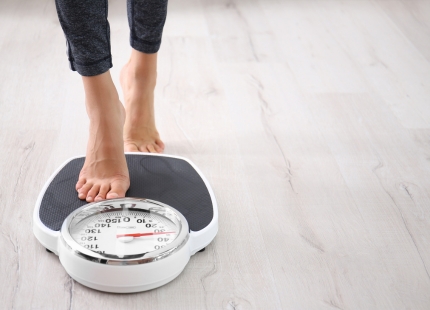
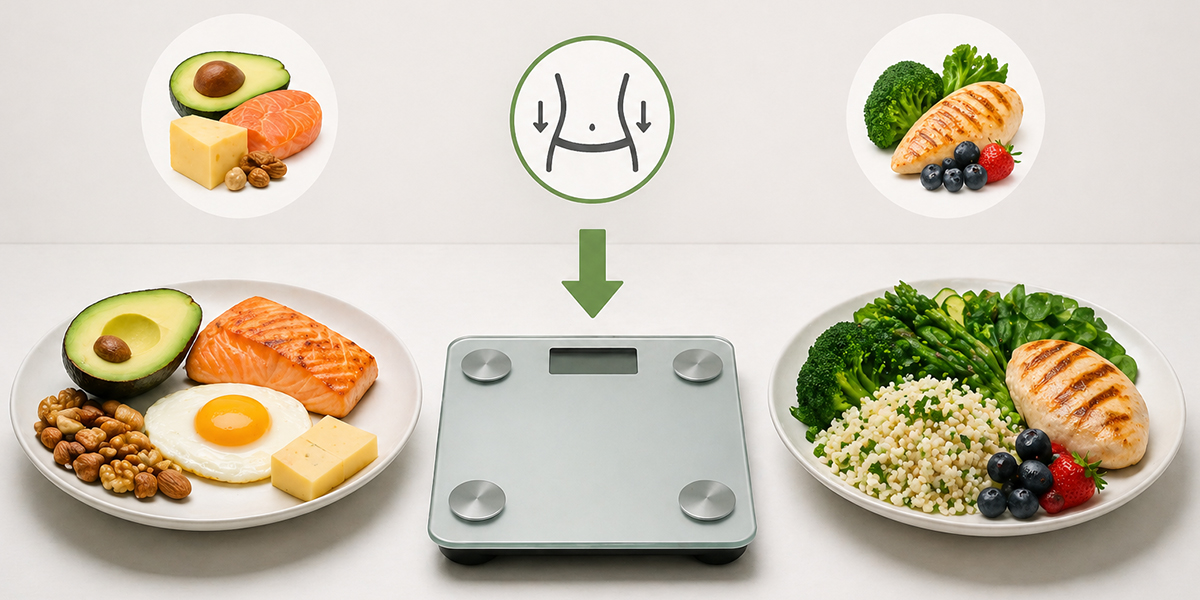


Many people are searching for effective ways to lose excess weight, and diets like keto and low-carb have become increasingly popular. Both approaches focus on reducing carbohydrate intake, but they differ in how they affect the body and metabolism.
Choosing the right approach depends on your health goals, lifestyle, and how your body responds to carbohydrates. A successful plan should also include enough protein, essential vitamins, important minerals, and healthy fats such as omega-3.
The Difference Between Keto and Low-Carb
Keto Diet
The keto diet involves reducing carbohydrates to fewer than 50 grams per day while significantly increasing fat intake. This shifts the body into a metabolic state called ketosis, where fat becomes the primary source of energy.
Low-Carb Diet
A low-carb diet focuses on a moderate reduction in carbohydrates without necessarily entering ketosis. It usually balances protein and fats to reduce overall calorie intake and improve blood sugar control.
In simple terms, keto is a stricter version of carbohydrate restriction, while low-carb is more flexible and easier for many people to follow long term.
Potential Benefits of Both Diets
Both keto and low-carb diets may support weight management when they help reduce total calorie intake and improve food choices.
- Keto may lead to faster weight loss in the first few weeks, partly due to water loss and reduced appetite.
- Low-carb is less restrictive and allows more food variety, making it easier to sustain over time.
- Both approaches may help improve blood sugar levels and insulin sensitivity, especially for individuals with insulin resistance.
- Both diets can support better appetite control when meals include enough protein, vegetables, and healthy fats.
Regardless of the approach, food quality matters. A low-carb or keto diet based on whole foods, lean proteins, healthy fats, and vegetables is usually more effective than one based on processed low-carb products.
Risks and Considerations
Although both diets can be effective, they may not suit everyone. Planning is important to reduce side effects and avoid nutrient gaps.
- Keto may cause “keto flu” at the beginning, including fatigue, headache, and low energy.
- Keto may increase the risk of dehydration or electrolyte imbalance if fluids and minerals are not managed properly.
- Very restrictive carbohydrate intake may reduce fiber intake if vegetables and plant foods are limited.
- Low-carb is generally easier, but may not produce fast results if total calories remain too high.
- Individuals with kidney disease, type 1 diabetes, pregnancy, or those taking medications should consult a healthcare professional before starting either diet.
Tips for Choosing the Right Approach
The best diet is not always the strictest diet. It is the one you can follow consistently while still supporting your health and energy levels.
- Assess your goals and how long you can realistically commit.
- Choose a diet that fits your lifestyle and allows enough food flexibility.
- Consult a nutrition professional if you have chronic conditions or take medications.
- Focus on food quality, not just carbohydrate reduction.
- Prioritize protein, vegetables, healthy fats, and hydration.
- Support your diet with key nutrients such as vitamins, minerals, and omega-3 when needed.
For many people, starting with a flexible low-carb approach is easier. Keto may be considered later if there is a clear goal, good tolerance, and proper planning.
FAQ
Is keto better than low-carb for weight loss?
Keto may produce faster initial weight loss, but low-carb is often easier to maintain. Long-term success depends on consistency and calorie control.
Can I build muscle on keto or low-carb?
Yes, but you need enough calories, resistance training, and sufficient protein to support muscle growth and recovery.
What is the main difference between keto and low-carb?
Keto is much stricter and aims to put the body into ketosis, while low-carb simply reduces carbohydrate intake without necessarily reaching ketosis.
Conclusion
There is no one-size-fits-all diet. Keto may deliver faster initial weight loss but is more restrictive, while low-carb offers more flexibility and is often easier to sustain over time.
The key to success is choosing a healthy and sustainable approach combined with balanced nutrition, regular physical activity, enough protein, and supportive nutrients from vitamins, minerals, and omega-3 when needed. The best diet is the one that helps you achieve safe, lasting results without unnecessary stress.