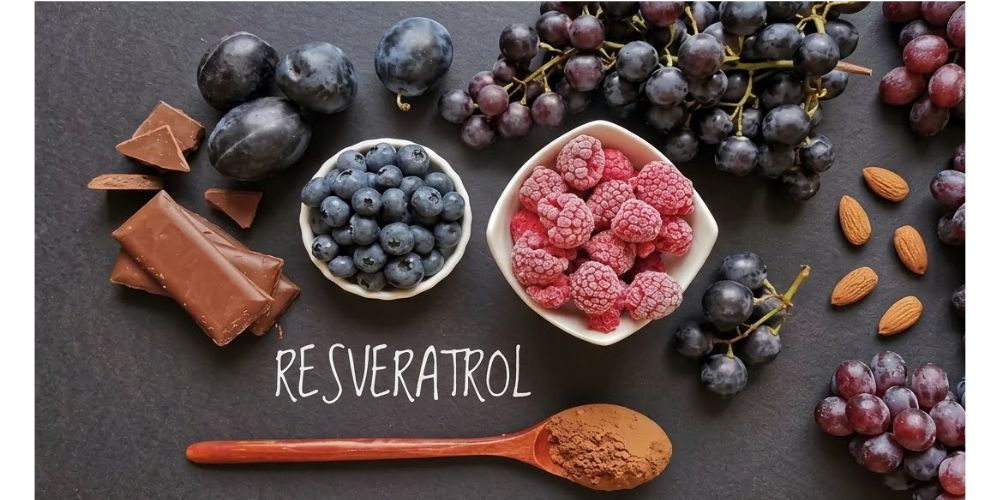


Resveratrol is a naturally occurring plant compound that has attracted significant scientific interest for its antioxidant properties and potential role in supporting cardiovascular health, healthy aging, and overall cellular wellness. It belongs to a group of plant compounds called polyphenols and is naturally found in foods such as grape skins, certain berries, peanuts, and other plants.
As interest in healthy aging and antioxidant support continues to grow, resveratrol has become a popular ingredient in nutritional supplements. Research has explored its potential relationship with oxidative stress, healthy inflammatory balance, cardiovascular function, metabolic health, and other processes that contribute to overall well-being.
Table of Contents
- What Is Resveratrol?
- How Does Resveratrol Work?
- Resveratrol as a Powerful Antioxidant
- Resveratrol and Healthy Inflammatory Balance
- Resveratrol for Heart and Cardiovascular Health
- Resveratrol and Healthy Aging
- Resveratrol and Metabolic Health
- Resveratrol and Brain Health
- How to Take Resveratrol: Dosage and Best Practices
- Resveratrol Side Effects and Safety Considerations
- Recommended Resveratrol Supplements
- FAQ
- Conclusion
What Is Resveratrol?
Resveratrol is a naturally occurring polyphenol produced by certain plants as part of their natural protective mechanisms. It is found particularly in the skin of red and purple grapes, as well as in berries, peanuts, and some other plant sources.
Resveratrol has gained attention because of its potential antioxidant and cellular-supporting properties. Researchers have investigated how this compound may interact with biological pathways involved in oxidative stress, inflammation, cardiovascular health, and healthy aging.
Although resveratrol can be obtained through certain foods, dietary supplements provide a more concentrated source. Resveratrol supplements are available in different formulations and strengths, and the amount and form of resveratrol can vary between products.
Resveratrol is generally considered a wellness-support ingredient rather than a treatment for a specific medical condition. Its potential benefits are best considered alongside a balanced diet, regular physical activity, adequate sleep, and other healthy lifestyle habits.
How Does Resveratrol Work?
Resveratrol has been studied for its interaction with several cellular pathways involved in antioxidant defense, cellular signaling, and metabolic processes. Its biological activity is one of the main reasons it has attracted interest in nutritional and healthy-aging research.
One important area of interest is oxidative stress. Resveratrol may help support the body's natural antioxidant defenses and cellular mechanisms that respond to oxidative challenges.
Researchers have also investigated resveratrol's relationship with pathways involved in healthy inflammatory responses and cellular metabolism. However, the effects observed in research can depend on factors such as dosage, formulation, absorption, and individual differences.
For this reason, resveratrol should be viewed as one component of a broader approach to antioxidant and cellular wellness, rather than as a standalone solution.
Resveratrol as a Powerful Antioxidant
One of the most studied characteristics of resveratrol is its antioxidant activity. Oxidative stress occurs when reactive molecules in the body exceed its natural ability to maintain antioxidant defenses. Supporting a healthy balance between oxidative processes and antioxidant protection is an important part of maintaining cellular wellness.
Resveratrol has attracted scientific interest because of its potential ability to support the body's natural antioxidant systems. Its activity may help protect cells from everyday oxidative challenges and complement other antioxidants obtained through a nutrient-rich diet.
A balanced diet containing fruits, vegetables, whole grains, nuts, and seeds remains the foundation of antioxidant support. Resveratrol supplementation may provide an additional source of this naturally occurring polyphenol for people interested in targeted nutritional support.
Resveratrol and Healthy Inflammatory Balance
Inflammation is a normal biological process that helps the body respond to injury and other challenges. Maintaining a healthy inflammatory balance is an important part of long-term wellness and overall cellular health.
Research has explored the relationship between resveratrol, oxidative stress, and inflammatory pathways. Its biological activity may help support the body's natural mechanisms involved in maintaining a balanced inflammatory response.
This has made resveratrol an area of interest for people looking to support general wellness, healthy aging, and cellular health. However, resveratrol should not be considered a treatment for chronic inflammatory diseases or used as a replacement for appropriate medical care.
Resveratrol for Heart and Cardiovascular Health
Cardiovascular wellness depends on several factors, including healthy blood pressure, cholesterol levels, blood vessel function, physical activity, nutrition, and overall metabolic health. Resveratrol has attracted attention because researchers have investigated its potential role in supporting several of these processes.
Its antioxidant properties may help support protection against oxidative stress, while research has also explored its potential effects on healthy blood vessel function and cardiovascular wellness.
However, maintaining heart health requires a comprehensive approach. A balanced diet, regular exercise, healthy weight management, avoiding smoking, adequate sleep, and routine health monitoring remain important foundations of cardiovascular wellness.
Resveratrol should therefore be considered a supportive nutritional supplement rather than a treatment for heart disease or a replacement for prescribed cardiovascular medications.
Resveratrol and Healthy Aging
Healthy aging involves maintaining cellular function, physical activity, metabolic wellness, and overall quality of life as we get older. Because oxidative stress and cellular changes naturally occur with age, resveratrol has become an ingredient of interest in healthy-aging research.
Studies have investigated resveratrol's potential effects on cellular health, antioxidant defense, and pathways associated with healthy aging. These areas of research have contributed to its popularity among people seeking nutritional support for long-term wellness.
Resveratrol should not be viewed as an anti-aging cure. Instead, it may be considered one component of a healthy-aging strategy that includes nutritious food, regular physical activity, quality sleep, stress management, and appropriate preventive healthcare.
Resveratrol and Metabolic Health
Resveratrol has attracted scientific interest for its potential role in supporting healthy metabolic function. Researchers have explored its relationship with glucose metabolism, insulin signaling, lipid metabolism, and other cellular processes involved in maintaining metabolic wellness.
Some research suggests that resveratrol may influence pathways involved in how cells respond to energy and nutrients. Its antioxidant properties may also provide additional cellular support against oxidative stress associated with metabolic challenges.
However, research findings can vary depending on the study design, dosage, formulation, and individual factors. Resveratrol should not replace prescribed medication, dietary recommendations, or regular monitoring for people managing metabolic conditions.
A healthy metabolic routine should continue to focus on a balanced diet, regular physical activity, adequate sleep, healthy weight management, and appropriate professional healthcare.
Resveratrol and Brain Health
The brain is particularly sensitive to oxidative stress because of its high energy requirements. This has led researchers to investigate whether polyphenols such as resveratrol may provide nutritional support for brain and neurological wellness.
Research has explored the potential relationship between resveratrol and processes involved in oxidative stress, cellular signaling, and healthy brain function. Its antioxidant activity is one of the key characteristics that has contributed to interest in resveratrol as part of a healthy-aging approach.
While these findings are promising, more research is needed to fully understand the potential effects of resveratrol on long-term brain health in humans. It should not be considered a treatment or prevention method for neurological disorders.
How to Take Resveratrol: Dosage and Best Practices
The appropriate amount of resveratrol depends on the product formulation, concentration, intended use, and individual health circumstances. There is no single universal dosage that is appropriate for everyone.
For responsible use, consider the following:
- Follow the product label: Use the recommended serving and avoid exceeding it without professional guidance.
- Be consistent: If appropriate for you, regular use according to product directions is generally preferable to taking large amounts occasionally.
- Consider the formulation: Different resveratrol products may contain different forms and concentrations, so follow the manufacturer's instructions.
- Take individual needs into account: Your age, health status, medications, and nutritional intake may influence whether supplementation is appropriate.
- Monitor your response: Pay attention to unusual symptoms and seek professional advice if concerns develop.
Resveratrol Side Effects and Safety Considerations
Resveratrol is generally well tolerated by many adults when used appropriately. However, concentrated supplements may cause unwanted effects in some individuals, particularly when taken in higher amounts.
Possible side effects may include:
- Digestive discomfort
- Nausea
- Stomach upset
- Headache
- Changes in bowel habits
People taking prescription medications should consider speaking with a healthcare professional before using resveratrol. Particular attention may be appropriate for individuals taking medicines that affect blood clotting or those preparing for surgery.
Recommended Resveratrol Supplements
If you are looking for resveratrol supplements, explore the available options from Dr Nutrition. Different formulations and strengths may be available, allowing you to choose a product that fits your individual wellness routine.
Explore Resveratrol Supplements
Before choosing a resveratrol supplement, consider your individual health needs, current medications, and overall wellness goals. If you are unsure whether resveratrol is appropriate for you, consult a healthcare professional.
FAQ
1. What is resveratrol used for?
Resveratrol is commonly used as an antioxidant supplement to support cellular protection, healthy aging, cardiovascular wellness, and overall metabolic health. Its biological activity has been widely studied because of its antioxidant and inflammation-related properties.
2. Is resveratrol a powerful antioxidant?
Resveratrol has antioxidant properties and has attracted scientific interest for its potential role in protecting cells from oxidative stress. However, it should be considered part of an overall antioxidant-support strategy rather than a replacement for a nutrient-rich diet.
3. Can resveratrol support heart health?
Research has investigated resveratrol for its potential relationship with cardiovascular health, including healthy blood vessel function and oxidative balance. However, resveratrol should not replace prescribed cardiovascular treatment or healthy lifestyle habits.
4. Can resveratrol support healthy aging?
Resveratrol has attracted interest in healthy-aging research because of its antioxidant and cellular effects. While research is ongoing, it should not be considered a treatment that can stop or reverse the natural aging process.
5. Can I take resveratrol every day?
Many adults use resveratrol according to product directions, but the appropriate serving depends on the formulation and individual circumstances. Anyone taking prescription medication, particularly medicines that affect blood clotting, should consult a healthcare professional before regular use.
Conclusion
Resveratrol is a naturally occurring plant compound that has gained significant attention for its antioxidant properties and potential role in supporting cardiovascular wellness, healthy aging, cellular protection, and metabolic health.
Research continues to explore the potential resveratrol benefits and how this compound may influence oxidative stress, inflammatory pathways, blood vessel function, and other processes involved in overall wellness. However, research findings can vary, and resveratrol should not be viewed as a cure or replacement for appropriate medical treatment.
For responsible use, choose a high-quality supplement, follow the recommended serving instructions, and consider your individual health needs and medications. Resveratrol works best as part of a broader healthy lifestyle that includes balanced nutrition, regular physical activity, adequate sleep, hydration, and effective stress management.
If you are considering resveratrol for a specific health concern or take prescription medication, speaking with a healthcare professional can help determine whether supplementation is appropriate for you.
With realistic expectations and responsible use, resveratrol can be a useful option for individuals looking to add targeted antioxidant support to their everyday wellness routine.