

Protein quality and digestion speed play a major role in muscle recovery, muscle protein synthesis, and overall athletic performance. While both animal and plant proteins can contribute to daily protein needs, they differ in digestion rate, amino acid profile, and bioavailability.
Understanding these differences can help athletes, active individuals, and health-conscious consumers choose the most suitable protein source based on their fitness goals, dietary preferences, and nutritional requirements.
Table of Contents
Animal Protein and Absorption Speed
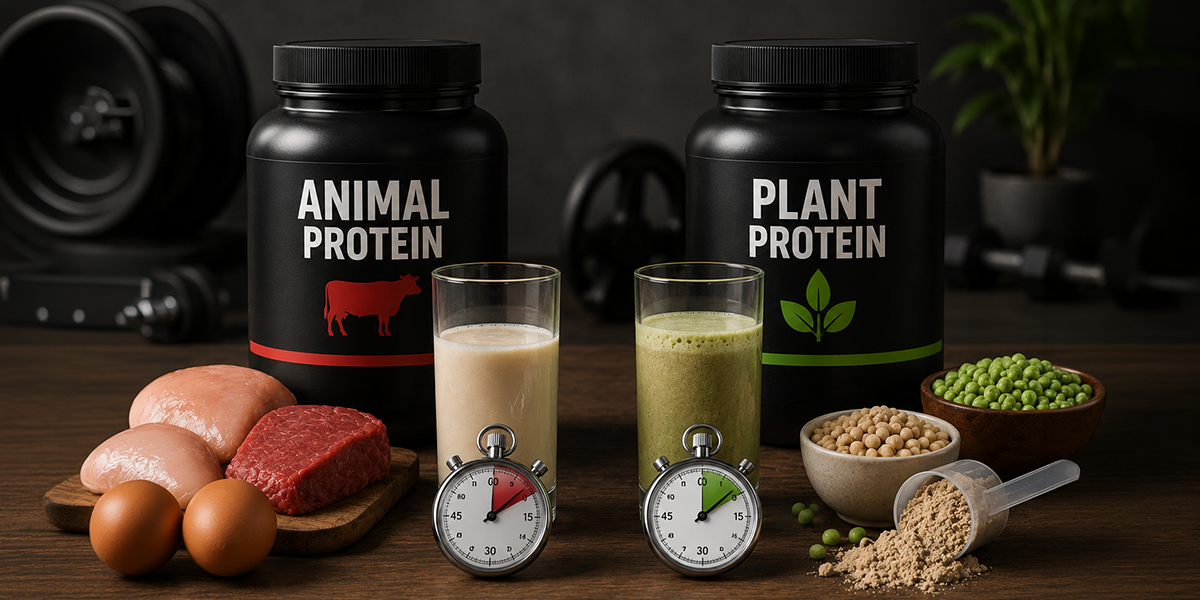
Animal proteins are generally considered complete proteins because they naturally contain all nine essential amino acids in sufficient amounts. Common examples include whey protein, casein protein, eggs, milk, poultry, meat, and fish.
Different animal proteins digest at different speeds:
- Whey Protein: Rapid digestion and absorption, resulting in a quick increase in blood amino acid levels.
- Casein Protein: Slow digestion and gradual amino acid release over several hours.
- Egg Protein: Moderate digestion speed with a high-quality amino acid profile.
Because of their complete amino acid composition and high digestibility, animal proteins are often preferred for supporting muscle recovery and post-workout muscle protein synthesis.
Plant Protein and Digestion Speed
Plant proteins, including pea, rice, soy, hemp, and other plant-based sources, are becoming increasingly popular among athletes and individuals following vegetarian or vegan diets.
Compared with whey protein, many plant proteins digest more slowly and may contain lower amounts of certain essential amino acids, particularly leucine, which plays a major role in stimulating muscle protein synthesis.
However, digestion speed and protein quality vary between plant sources:
- Soy protein is considered one of the highest-quality plant proteins.
- Pea protein provides a good amino acid profile and moderate digestion speed.
- Rice protein is often combined with pea protein to create a more balanced amino acid profile.
The slower digestion rate of some plant proteins may influence how quickly amino acids become available to muscles following exercise.
Factors Affecting Protein Digestion
Several factors influence how quickly protein is digested and absorbed by the body:
- Molecular structure of the protein.
- Fiber content within the food source.
- Fat content accompanying the protein.
- Food processing and manufacturing methods.
- The presence of naturally occurring compounds that may influence absorption.
Plant proteins often contain fiber and naturally occurring compounds that can slow digestion, while animal proteins are generally more digestible and readily absorbed.
Strategies to Compensate for Differences
Modern sports nutrition has developed several strategies to improve the effectiveness of plant proteins and enhance their amino acid profile.
Common approaches include:
- Combining pea protein with rice protein.
- Using blended plant protein formulas.
- Choosing highly processed protein isolates.
- Using hydrolyzed protein forms for faster digestion.
- Increasing total protein intake when necessary.
By combining complementary plant protein sources, individuals can achieve a more complete amino acid profile that closely resembles high-quality animal proteins.
Practical Impact for Athletes
The ideal protein choice often depends on timing and athletic goals.
- Immediately After Exercise: Fast-digesting proteins such as whey are often used to rapidly stimulate muscle protein synthesis.
- Between Meals: Plant proteins or blended proteins can help support daily protein intake and nutritional variety.
- Before Sleep: Slower proteins such as casein may provide a prolonged release of amino acids overnight.
Athletes following plant-based diets can still achieve excellent results by carefully planning protein intake, combining protein sources, and meeting overall daily protein requirements.
Frequently Asked Questions
Is animal protein absorbed faster than plant protein?
In general, many animal proteins, particularly whey protein, are absorbed faster than most plant protein sources.
Can plant protein build muscle effectively?
Yes. When total protein intake is sufficient and amino acid requirements are met, plant proteins can effectively support muscle growth and recovery.
Why are protein blends popular?
Protein blends combine the strengths of different protein sources to improve amino acid balance, digestion characteristics, and overall effectiveness.
Is soy protein considered a complete protein?
Yes. Soy protein contains all essential amino acids and is one of the highest-quality plant protein sources available.
Which protein is best after a workout?
Whey protein is commonly chosen after exercise because of its rapid digestion and ability to quickly increase amino acid availability.
Conclusion
Animal and plant proteins differ in digestion speed, amino acid composition, and bioavailability, all of which can influence muscle recovery and sports nutrition strategies.
While animal proteins generally provide faster absorption and complete amino acid profiles, plant proteins can also be highly effective when properly combined and incorporated into a balanced diet. Understanding these differences allows athletes and active individuals to make informed choices that support muscle growth, recovery, and long-term performance.