

Calcium is one of the most important minerals in the human body. While it is widely known for building strong bones and teeth, its role extends far beyond that. Calcium is involved in hundreds of vital processes, including muscle contraction, nerve signaling, and heart rhythm regulation.
With modern lifestyles and reduced intake of calcium-rich foods, calcium deficiency has become increasingly common, making awareness and prevention essential.
What Is Calcium and Why Is It Essential?
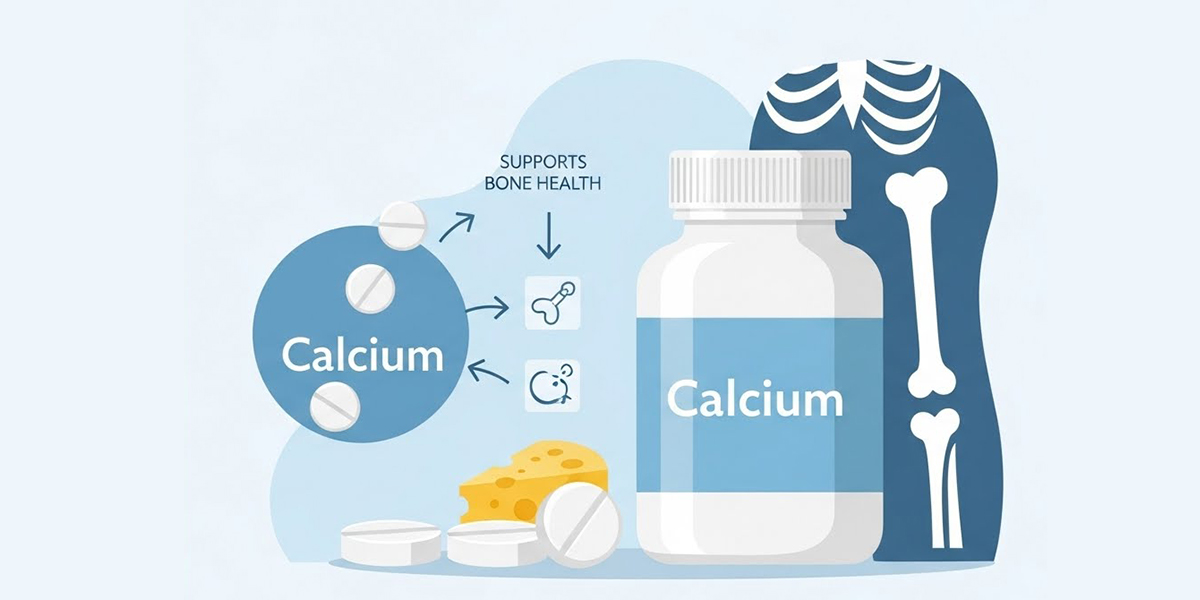
Calcium is the most abundant mineral in the body. More than 99% of it is stored in bones and teeth, while the remaining amount circulates in the blood and tissues to support critical functions.
It is essential for proper muscle contraction, blood clotting, nerve signal transmission, and hormone and enzyme release. These functions make calcium a key element in maintaining overall health and balance.
Health Benefits of Calcium
Calcium provides a wide range of benefits beyond bone health:
- Strong Bones and Teeth: Builds and maintains bone density and reduces the risk of osteoporosis
- Heart Health: Helps regulate heart rhythm and muscle function
- Nervous System Support: Enhances communication between nerve cells, improving focus and alertness
- Metabolic Function: Plays a role in converting food into energy through digestive enzymes
Adequate daily calcium intake directly supports both physical strength and mental performance.
Symptoms of Calcium Deficiency
Calcium deficiency develops gradually and may present with symptoms such as:
- Weak bones or recurring joint pain
- Muscle cramps or tingling sensations
- Brittle nails and hair loss
- Irregular heartbeat or persistent fatigue
- Poor concentration or mood changes
If these symptoms appear, it is recommended to check calcium levels and consult a healthcare professional.
Natural Sources of Calcium
Calcium can be obtained from a variety of foods, including:
- Dairy products such as milk, yogurt, and cheese
- Leafy greens like broccoli, spinach, and kale
- Nuts and seeds such as almonds and sesame seeds
- Fish such as sardines and salmon (rich in calcium and Vitamin D)
Fortified foods like cereals and juices can also help meet daily calcium requirements.
Calcium Supplements: When Do You Need Them?
In some cases, diet alone may not provide enough calcium—especially for women over 40 or individuals following strict plant-based diets.
Calcium supplements offer a safe and effective way to meet daily needs. It is recommended to choose supplements that include Vitamin D, as it enhances calcium absorption.
The Relationship Between Calcium, Vitamin D, and Magnesium
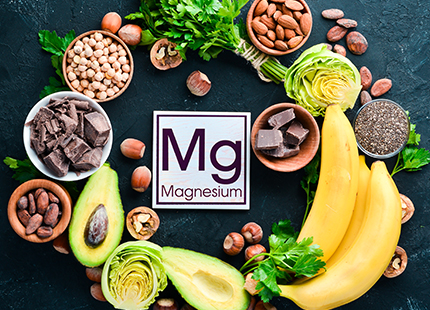
Calcium works closely with other nutrients in the body. Vitamin D improves calcium absorption from the intestines, while magnesium helps regulate its distribution in bones and tissues.
An imbalance in these nutrients may reduce the effectiveness of calcium. Therefore, a balanced diet or a combination of supplements is recommended for optimal results.
Tips to Improve Calcium Absorption
- Take calcium with meals to enhance absorption
- Ensure adequate Vitamin D levels through safe sun exposure
- Limit excessive caffeine and carbonated drinks
- Engage in regular physical activity, especially weight-bearing exercises
These habits help maximize calcium absorption and maintain strong bones over time.